Physical Address
304 North Cardinal St.
Dorchester Center, MA 02124
Physical Address
304 North Cardinal St.
Dorchester Center, MA 02124
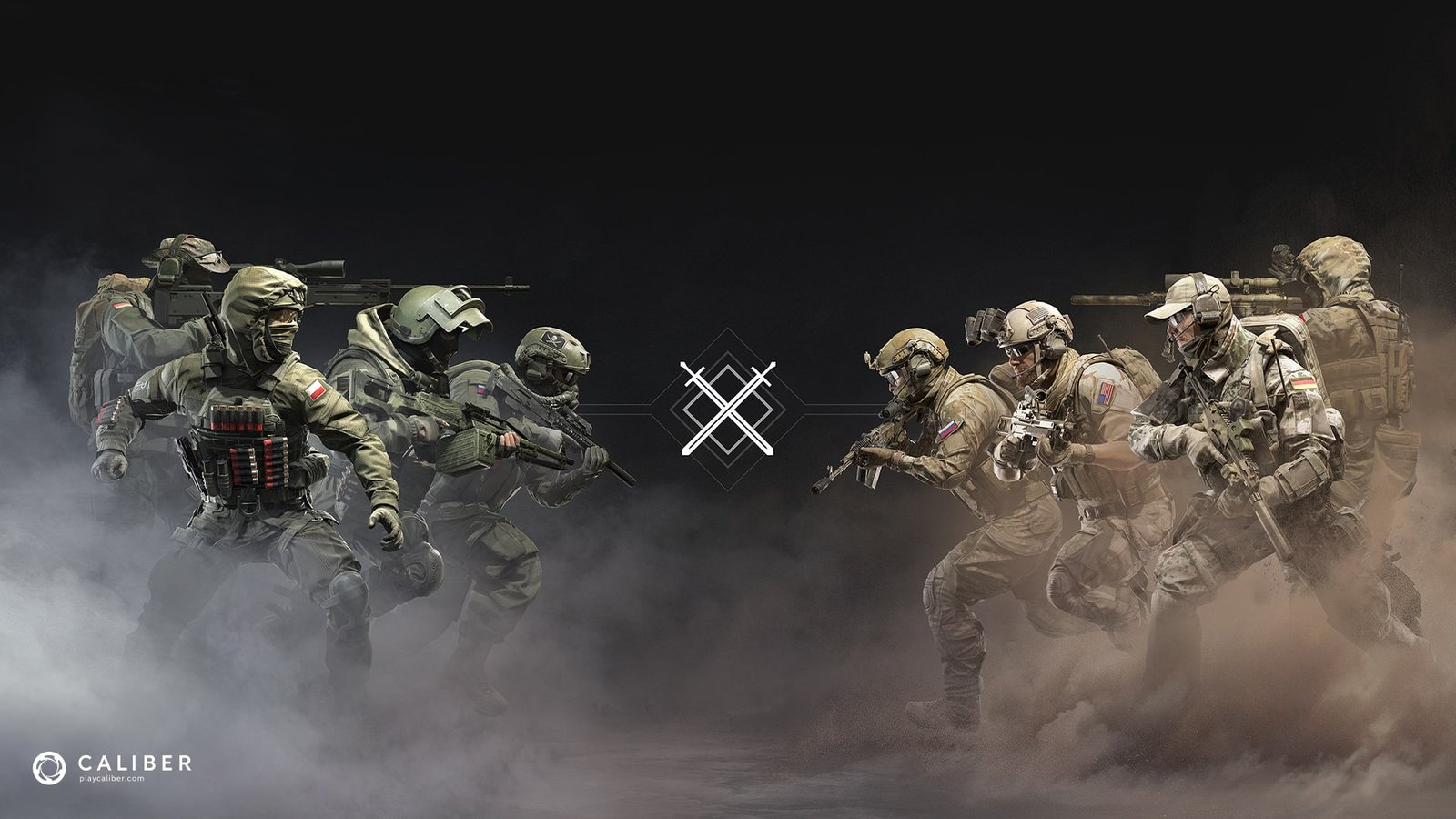
The gaming timeline never sleeps. One minute we’re arguing about which platform rules first-person shooters, and the next we’re knee-deep in studio shake-ups, surprise financial reports, live-service experiments, and chaotic new enemy factions. Let’s break it all down properly — with context, not just noise.
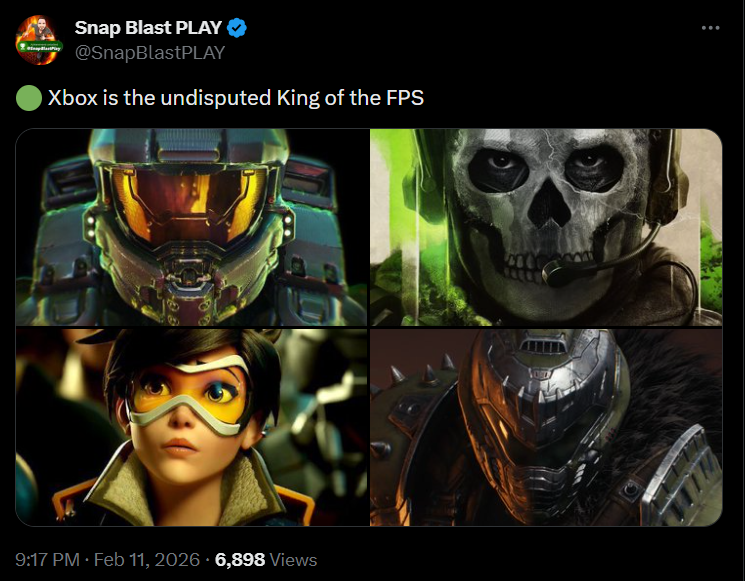
The claim sounds bold: Xbox is the undisputed king of FPS. But once you peel back the layers, the argument gets shaky fast.
Call of Duty? Multiplatform. Always has been, and despite acquisitions and marketing deals, it still is.
Doom? Multiplatform.
Overwatch? Multiplatform.
These franchises aren’t locked to one ecosystem. They don’t define exclusivity — they define genre dominance across platforms. So if we’re talking about ownership of the FPS space, the real conversation comes down to exclusives and identity. And that’s where Halo enters the chat.
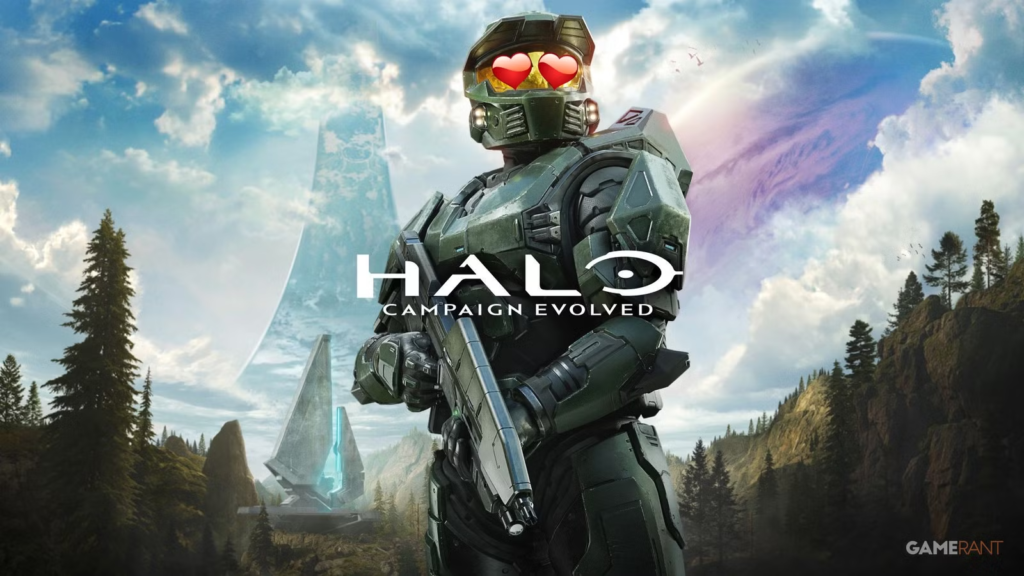
Halo used to be synonymous with Xbox. It wasn’t just a game — it was the game. The franchise that defined a console generation. But over the years, something changed.
The rebranding of 343 Industries into Halo Studios feels like an attempt at a reset. A symbolic fresh start. But changing a name doesn’t automatically restore trust, direction, or creative cohesion. Halo Infinite had strong core gameplay, but its live-service execution, content pacing, and overall momentum struggled to meet expectations.
The deeper issue fans often point to is creative origin. Halo was born under Bungie. And whether people like the comparison or not, creator-led franchises often carry a distinct identity that’s hard to replicate. Think:
When the original creative force steps away, something inevitably shifts. That doesn’t mean the franchise is doomed — but the tone, cohesion, and emotional weight can feel different. The next Halo project reportedly leans into nostalgia, visually echoing Halo 1 with upgraded lighting and modern tech polish. But visual similarity isn’t the same as emotional resonance. The big question remains: can Halo evolve while reclaiming its soul?
Remedy is in a fascinating position right now — creatively strong, financially mixed, and strategically focused.
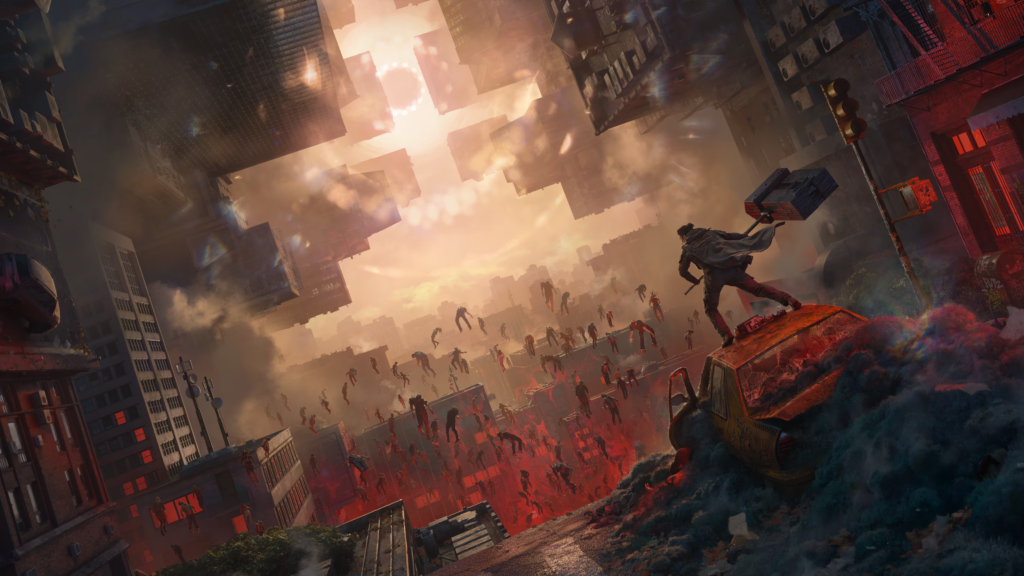
Control has officially passed 5 million copies sold, with over 20 million players experiencing the game since 2019 thanks to Game Pass, PlayStation Plus, and other subscription deals. The reveal of Control: Resonant at The Game Awards reignited interest in the IP, giving the original a second life.
Remedy’s strategy heading into 2026 is clear: make the sequel a day-one must-buy. Subscription exposure is great for awareness, but launch sales are where the real revenue impact happens.

Alan Wake 2 continues to perform steadily, especially after landing on PlayStation Plus and generating royalties. Meanwhile:
Despite revenue growth driven by Control and Alan Wake royalties, Remedy still posted an operating loss for the full year. Their long-term plan? Self-publish, scale sustainably, and rely on what they do best: weird, narrative-driven single-player experiences.
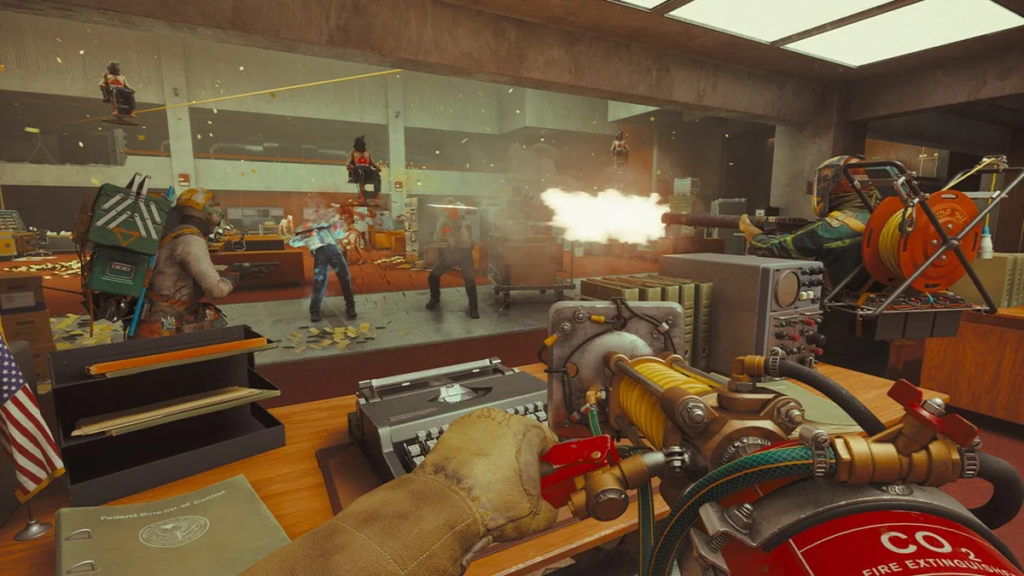
The multiplayer experiment FBC: Firebreak didn’t explode in popularity. Player numbers are stable but modest. Remedy plans to support it with smaller updates rather than aggressive expansion.
The takeaway is clear: players show up for story-driven Remedy games — not necessarily live-service shooters. The studio appears to be refocusing on its strengths rather than chasing industry trends.
A leadership transition is also underway, with a former EA executive stepping into the CEO role. That could mean a sharper business focus as 2026 approaches.
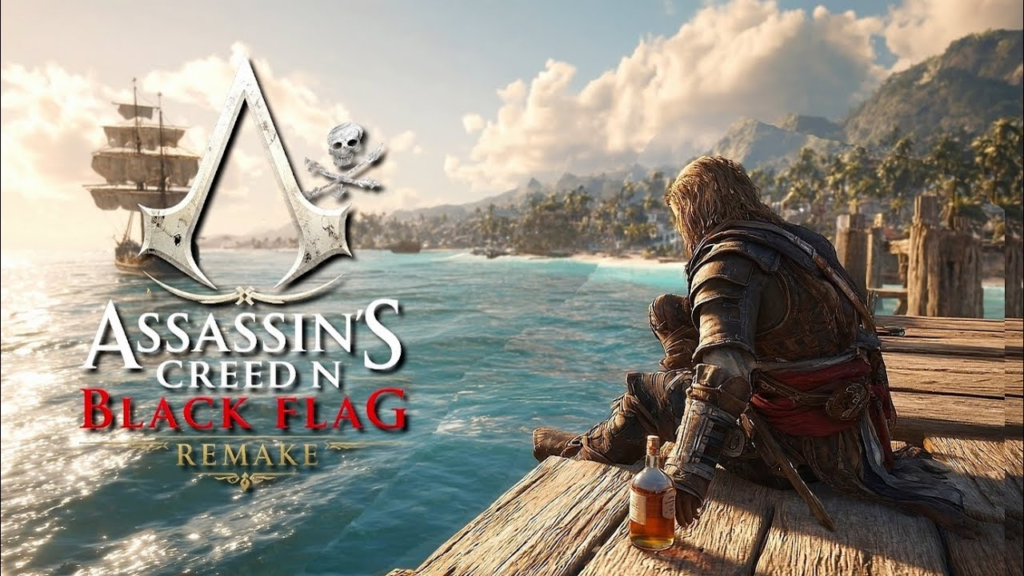
If you were expecting the rumored Black Flag remake to appear at Sony’s State of Play, insiders suggest you may need to wait. Reports indicate the game already has an announcement and release plan — just not tied to this particular event.
Ubisoft likely wants its own spotlight moment rather than sharing the stage.
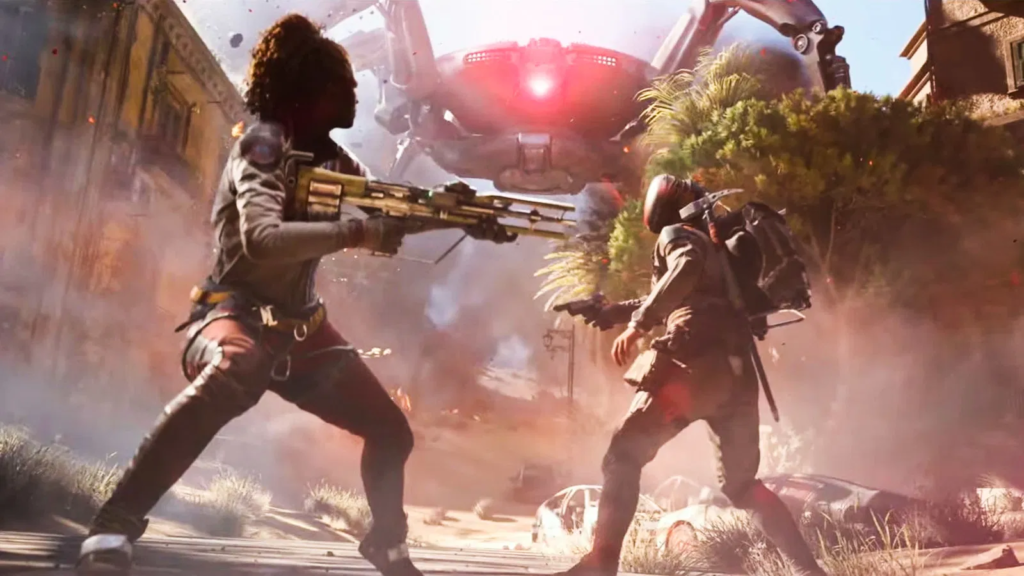
Embark’s Arc Raiders is in an interesting place. The CEO admitted frustration at launch due to missing features — including additional instruments for its social systems that didn’t make the final cut in time.
Yet despite those setbacks, the game has reportedly sold over 12 million copies and is highly profitable.
The newest event flips player behavior on its head. Instead of rewarding PvP aggression, it encourages cooperation:
It’s a subtle but important shift. Rather than forcing a Fortnite-style cosmetic economy, Embark appears to be experimenting with social dynamics inside its PvPvE identity.
Update 1.15.0 also addressed reconnect bugs, crafting issues, weapon swap problems, and balancing adjustments. Known issues remain, but live-service support appears active and responsive.
Following the success of Indiana Jones and the Great Circle, attention has shifted to what MachineGames does next.
Wolfenstein 3 hasn’t been confirmed — but the studio has expressed interest in returning to the franchise. What stands out most is their philosophy: if the team isn’t passionate about a project, it won’t land creatively.
Being under Xbox, according to the studio, provides resources and collaboration benefits. They’ve kept the team lean (under 200 developers) and rely on partner studios when needed. A second office was opened to encourage in-person collaboration, reflecting their belief that shared space strengthens development.
Suda 51’s latest project sounds exactly as chaotic as expected: time travel, cyborg transformations, alternate timeline girlfriend hunts. The absurdity is intentional.
The problem, according to early impressions, isn’t the weirdness — it’s the lack of cohesion.
Combat appears shallow, with repetitive enemy encounters and limited depth. Boss fights fare slightly better, and the soundtrack earns praise. However, technical issues — including crashes and frame drops — further dampen the experience.
There’s personality everywhere. But personality alone isn’t enough without mechanical or narrative payoff.
Bungie is clearly trying to separate Marathon from Arc Raiders.
The biggest design decision? No aggression-based matchmaking. There’s no system labeling players as friendly or hostile. The tension is organic. You won’t know if the person in front of you is an ally or a threat.
Key features include:
It’s a more old-school extraction shooter philosophy — paranoia intact.
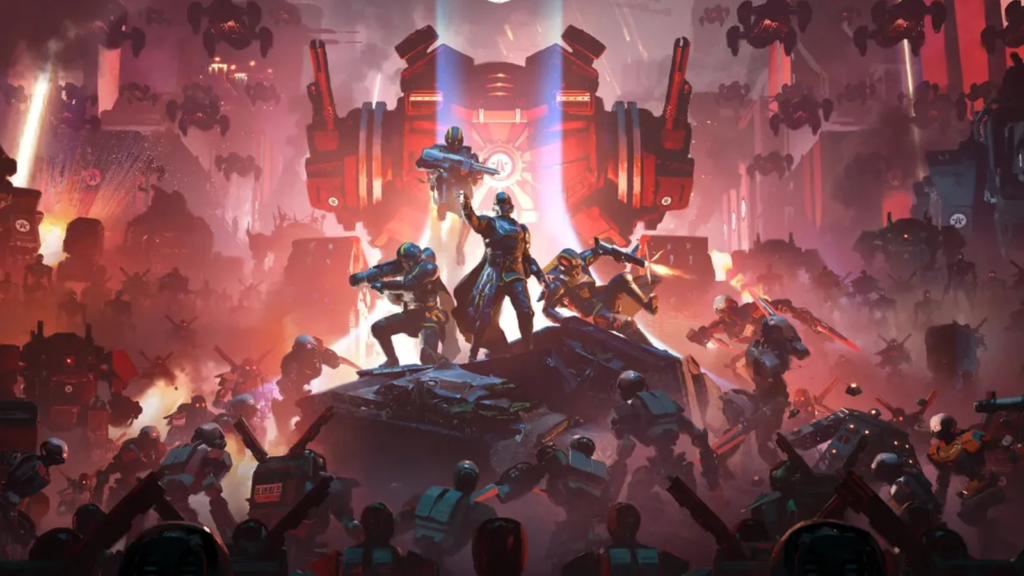
Arrowhead is escalating the Galactic War with the official return of the Cyborgs.
Three new enemy types were teased:
The reveal leaned heavily into Helldivers’ chaotic propaganda style, complete with fake hacks and binary interruptions. Lore-wise, this is significant. The Automatons were descendants of the Cyborgs — now the originals are back. It feels less like a random faction drop and more like a narrative escalation.
Expect more chaos, larger-scale events, and significantly more explosions.
Predictions around Sony events are always risky. History has shown that even when leaks feel airtight, Sony sometimes waits and drops announcements separately days later.
If a major hardware reveal doesn’t appear during a State of Play, it doesn’t mean it isn’t coming. Sony often prefers dedicated deep dives — especially when Mark Cerny is involved — to control the messaging and spotlight.
So will it appear? Maybe.
If not, don’t be surprised if it surfaces shortly after in a standalone reveal.
This week highlights a clear theme across the industry:
Whether it’s Halo searching for its soul, Remedy betting big on Control’s future, or Bungie redefining extraction tension, 2026 is shaping up to be a pivotal year.
And as always in gaming — the real verdict won’t come from announcements.
It’ll come from what actually lands in players’ hands.