Physical Address
304 North Cardinal St.
Dorchester Center, MA 02124
Physical Address
304 North Cardinal St.
Dorchester Center, MA 02124
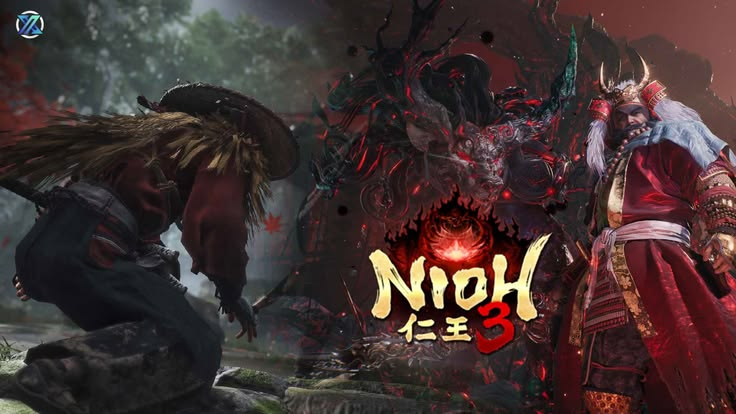
For years now, Team Ninja has quietly built its own corner of the Soulslike subgenre. While FromSoftware refined its formula with games like Dark Souls and eventually revolutionized the space with Elden Ring, Team Ninja carved out what many fans now call the “Nioh-like” formula — faster, loot-driven, mechanically dense, and unapologetically complex.
With Nioh 3, it finally feels like that formula has evolved in a meaningful way.
After spending significant time with the game (though not yet completing it), one thing is immediately clear: this is the most confident and refined entry in the series. It doesn’t abandon what makes Nioh, well, Nioh — but it pushes the structure forward just enough to feel fresh without losing its identity.
And yes, the influence of Elden Ring is obvious. But unlike some other Souls-inspired titles chasing trends, Nioh 3 adapts those ideas in a way that feels distinctly Team Ninja.
Let’s be honest — Team Ninja has been iterating on the same core structure for nearly a decade. From the original Nioh to Nioh 2, and even side projects like Wo Long: Fallen Dynasty and Stranger of Paradise: Final Fantasy Origin, the DNA has been consistent:
Even when they experimented — adding parry-heavy mechanics in Wo Long or job systems in Stranger of Paradise — the underlying feel remained unmistakably Nioh. Nioh 3 is the first time the series genuinely feels like it has taken a significant structural leap forward.
If there’s one area where Team Ninja has always excelled, it’s combat — and Nioh 3 might be their best work yet. Everything feels snappy. Responsive. Fluid. Inputs register instantly. Weapon transitions are seamless. Enemy animations are readable without being predictable. It’s the kind of combat system that makes you want to fight just for the joy of fighting.
The classic elements return:
But now there’s more.
You have access to a third powerful attack ability that recharges through aggression. At any moment, you’re juggling multiple cooldown-based options, which adds tactical depth without slowing momentum. Combat feels layered but never sluggish. Then there’s the new Ninja stance, an alternate playstyle you can switch to instantly. It comes with its own weapons, armor sets, and skills, essentially giving you two builds in one character. Swapping between them mid-combat opens up enormous flexibility.
It’s not just deeper — it’s more expressive.
Let’s address the elephant in the room.
The overwhelming menu systems? Still here.
The constant loot management? Still here.
The stat micromanagement? Absolutely still here.
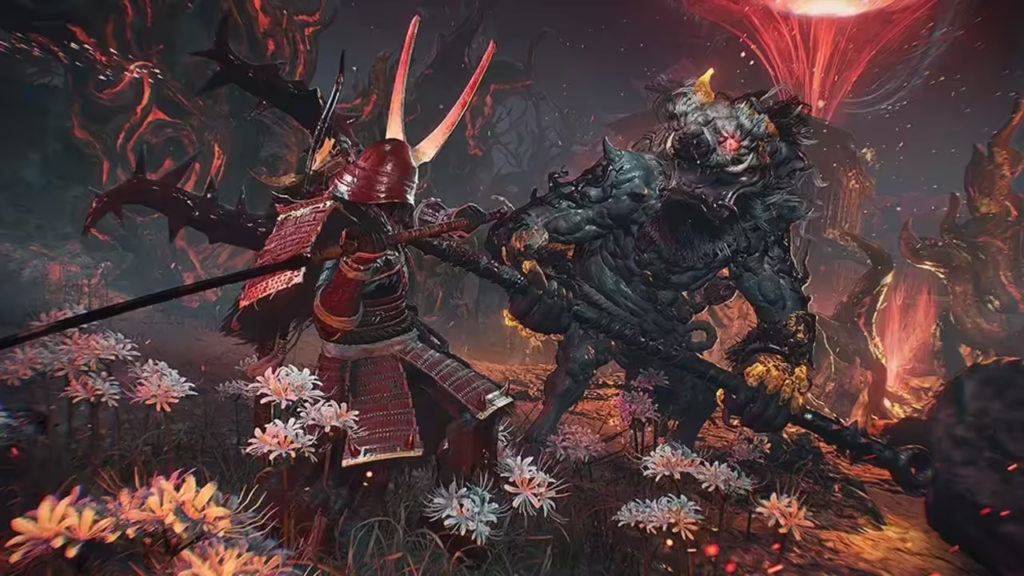
If you’ve never played a Nioh game, the sheer volume of systems can feel suffocating. You’ll spend a significant amount of time adjusting gear, comparing stats, refining builds, and navigating layered submenus. On average, you will spend more time doing menu management here than in almost any other Soulslike. Period.
But strangely… it works.
The complexity can feel exhausting at first, yet it also makes character progression incredibly rewarding. Fine-tuning your build has tangible results. When you finally optimize a weapon setup and see your damage skyrocket, the payoff feels earned. If you hate loot-driven systems, Nioh 3 won’t convert you. But if you enjoy build crafting, this is one of the most robust systems in the genre.
The biggest shift comes in the game’s structure.
Previous entries followed a strict mission-based format — linear stages selected from a world map. Nioh 3 introduces a semi-open world design. It’s not fully open like Elden Ring, but it’s a meaningful expansion.
Instead of isolated missions, you now explore several large, nonlinear regions filled with:
These areas are open enough to approach from multiple angles but small enough to remain carefully designed. It never feels like bloated open-world filler.
Well… almost never.
There are some familiar “clear the camp” style activities, and yes, you’ll see some repetition. But in context, they feel less like padding and more like opportunities to experiment with combat — especially when sneaking through enemy lines Assassin’s Creed-style or using your ninja tools creatively.
The openness also fundamentally changes difficulty.
Here’s something that might surprise long-time fans:
Nioh 3 feels like the easiest entry in the trilogy — at least so far.
That’s not to say it’s easy. Bosses are still fast, aggressive, and punishing. But the game gives you options. If a boss blocks your path, you can explore, level up, gather better gear, and return stronger.
Because of the semi-open design, it’s possible to outpace recommended levels. And in a loot-heavy game like Nioh, gear quality can make a massive difference.
You’re no longer forced to bang your head against a wall.
You can:
Bosses don’t seem to scale aggressively when summoning help either, making assistance more viable than ever.
For newcomers, this flexibility makes Nioh 3 the most welcoming entry point in the series.
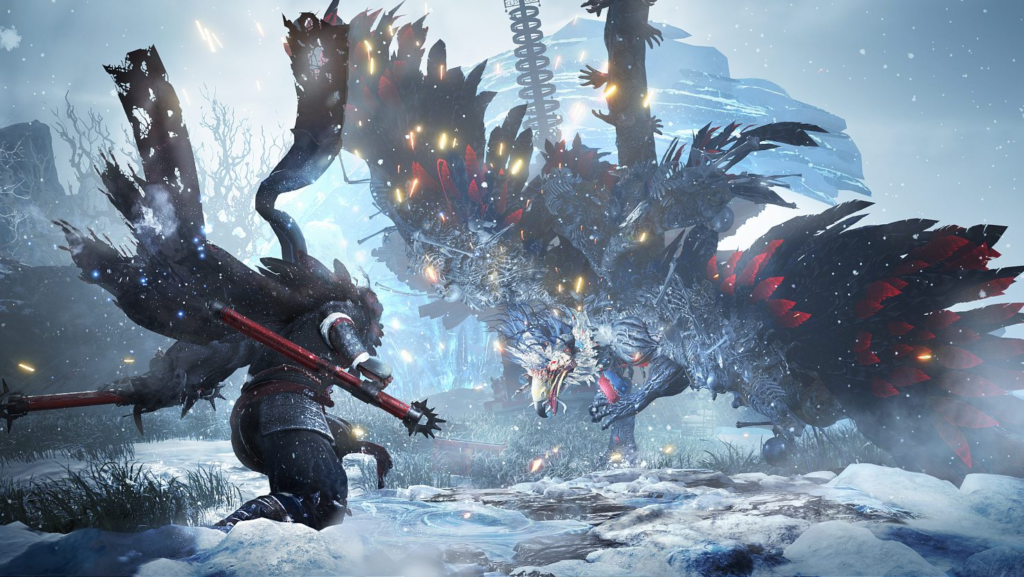
Despite the structural changes, bosses remain the star of the show. They’re intense. Fast. Relentless. Learning red-glow counter attacks is crucial, but unlike Sekiro: Shadows Die Twice, the game doesn’t revolve entirely around parrying. Counters matter, but they don’t dominate the experience.
Some bosses are pushovers if you’ve over leveled. Others will still demand mastery. But across the board, the quality is high. And thankfully, enemy variety appears significantly improved compared to past entries. Previous games tended to recycle enemies heavily in the second half. So far, Nioh 3 shows more diversity, keeping encounters fresh longer.
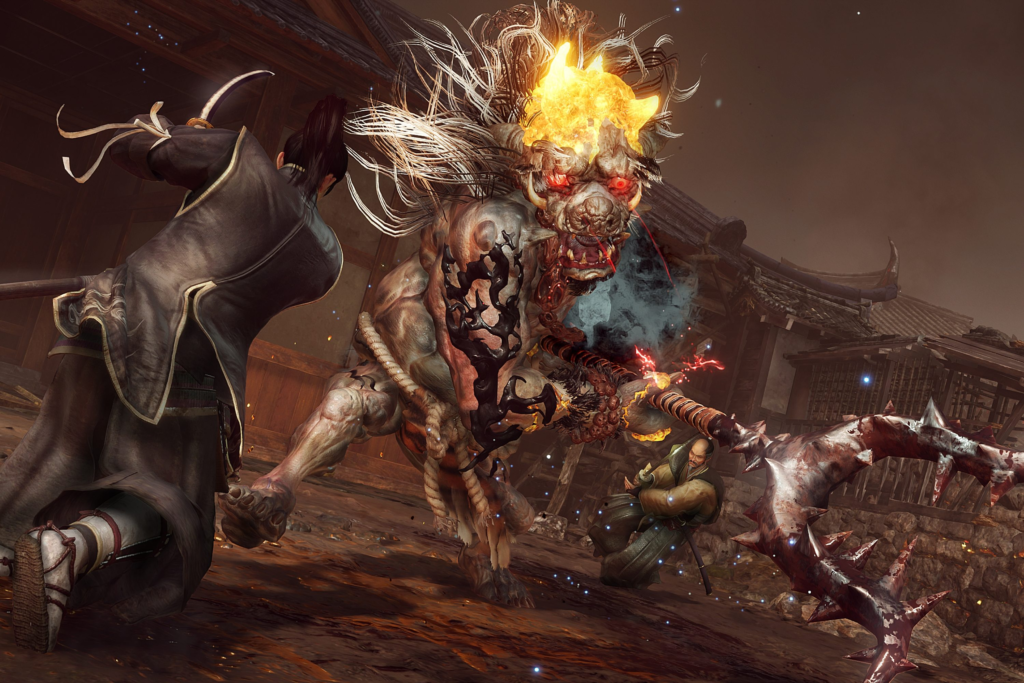
Nioh has always had strong art direction, even if it wasn’t pushing graphical boundaries. Nioh 3 continues that tradition. You’ll still see villages, castles, caves — but the time-travel elements introduce more environmental variety. Different periods feel distinct, helping locations stand apart visually and atmospherically.
It’s not as mysterious or awe-inspiring as Elden Ring, but that’s not the goal. Instead, it delivers tightly designed spaces with hidden paths, secret rewards, and satisfying exploration loops. Performance-wise, especially on PC, it runs surprisingly well. Optimization is solid. No major technical disasters. For a modern action RPG launch, that’s a relief.
If you’re hoping Nioh 3 finally tells a coherent, tightly written story… you may be disappointed. The narrative is chaotic. It leans heavily on Japanese historical figures but does little to contextualize them for newcomers. Add time travel to the mix, and things become even more disjointed. But here’s the thing: it doesn’t matter.
The story functions as flavor. It provides aesthetic justification for your battles against supernatural forces. At its core, it’s still about defeating another evil Yokai threat. If you treat it like a backdrop rather than a central pillar, it works just fine.
Nioh 3 doesn’t reinvent the Soulslike genre. It doesn’t abandon its loot-heavy identity. It doesn’t simplify itself for mainstream appeal.
What it does instead is refine, expand, and polish.
The semi-open world adds flexibility.
Combat is sharper than ever.
Bosses remain thrilling.
Build diversity is enormous.
Performance is strong.
Yes, the loot system is unchanged. Yes, menus are overwhelming. Yes, the story is nonsense.
But none of that stops Nioh 3 from being incredibly fun.
If you’re a fan of the series, this feels like the best one yet. If you love challenging action RPGs, it’s one of the strongest entries in the genre right now. And if you’ve been intimidated by previous games, this is probably the most accessible starting point.
It’s still unmistakably Nioh.
Just better.
And sometimes, that’s exactly what a sequel needs to be.