Physical Address
304 North Cardinal St.
Dorchester Center, MA 02124
Physical Address
304 North Cardinal St.
Dorchester Center, MA 02124
Early access has become a defining part of modern gaming. What once felt like a risky experiment is now a core development strategy for many studios. When done right, early access allows developers to build alongside their community, refine mechanics in real time, and transform promising ideas into something truly special.
Of course, not every early access story is a success. But when it works, it really works. Here are 10 early access games that changed massively over time — evolving far beyond their original launch versions and proving just how powerful community-driven development can be.
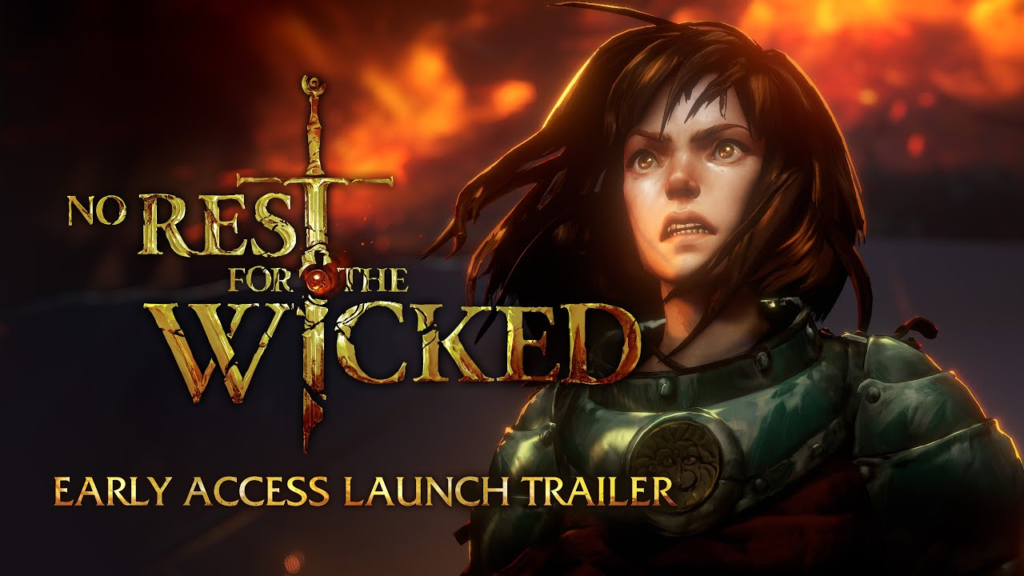
When No Rest for the Wicked first launched in early access, it felt like a focused, single-player action RPG with heavy inspiration from Soulslike combat. It featured challenging top-down encounters, deliberate attacks, stamina management, and a grim, atmospheric world. Solid foundation? Absolutely. But limited in scope. Fast forward a year, and the game feels dramatically different.
The biggest shift came with the addition of cooperative multiplayer. What was once a strictly solo experience now allows players to team up and carve through enemies together. This alone changed the pacing and identity of the game. It moved closer to Diablo-style cooperative chaos — but without sacrificing its weighty, skill-based combat. And that’s just the beginning.
Over the course of multiple updates, the developers introduced:
One of the most transformative updates introduced persistent shared realms. Instead of relying on clunky summoning systems, players can now experience a more seamless cooperative world. It’s the kind of system you expect from a polished full release — not a work-in-progress.
Future updates are even teasing PvP systems, meaning the game may continue evolving into something far broader than originally envisioned. After just one year, No Rest for the Wicked already feels like a completely different beast — and it’s nowhere near finished.
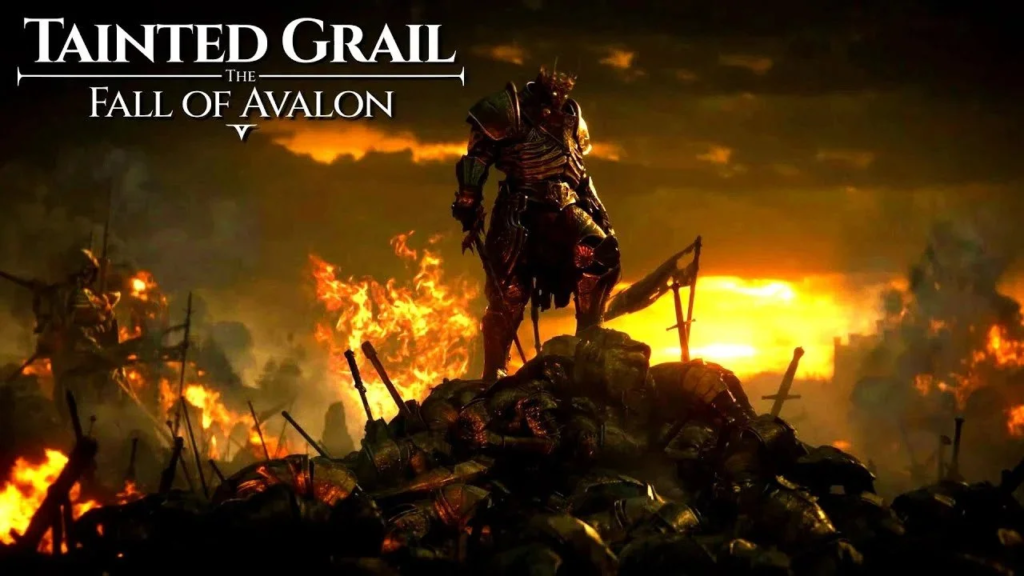
If you’ve been craving something that captures the feeling of classic Bethesda RPGs, Tainted Grail: The Fall of Avalon might be the closest modern example.
At launch, it was clearly ambitious — a first-person action RPG set in a dark reimagining of Arthurian legend. The bones were there: open exploration, quests, dungeon crawling, and free-form character building. But early access revealed rough edges and incomplete systems. Then came the updates.
The first major expansion added 10–20 hours of gameplay in a massive new region while completely revamping the starting area. The prologue available at launch was heavily reworked, improving the early experience dramatically.
Most importantly, the developers didn’t just add content — they restructured the game.
That third-person option might sound small, but it’s essential for fans of classic open-world RPGs. It fundamentally changed how players engage with exploration and combat. The final release version feels far more cohesive and polished than its early build. Community feedback shaped much of that progress, and the result is a game that likely wouldn’t exist in this state without early access.
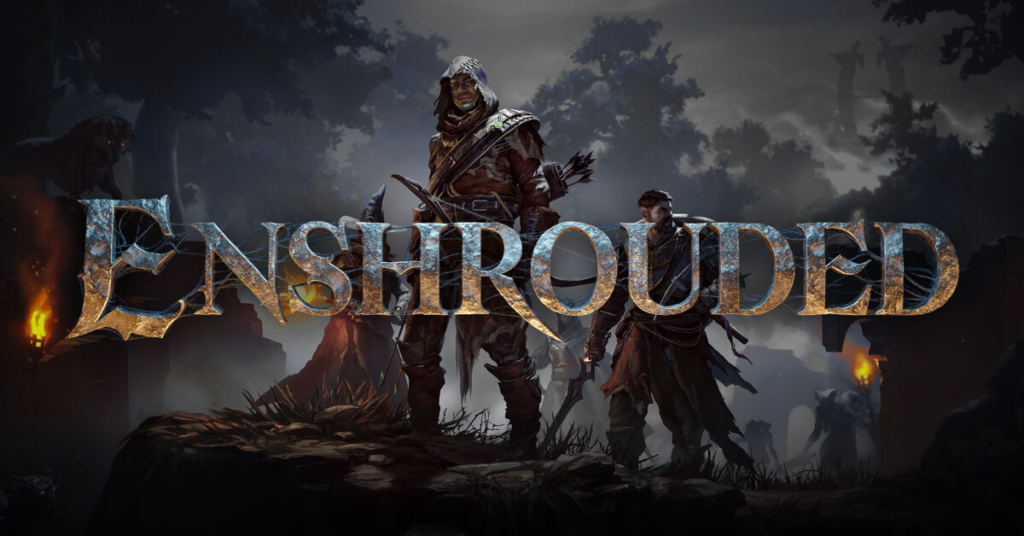
Enshrouded didn’t spend as long in early access as some other games on this list, but its transformation has been rapid and impressive. Originally, it was a promising 16-player cooperative survival game with solid building mechanics and atmospheric exploration. But updates have layered depth onto nearly every system.
New biomes like Alban Summit expanded the world significantly, introducing new environmental challenges and gear customization options. Building — already one of the strongest aspects — became even more rewarding as more structural tools and decorative options were added.
One of the biggest overhauls came with the “Throes of Twilight” update. This patch revamped gameplay inside The Shroud, adding:
Nighttime isn’t just cosmetic anymore — it’s strategic. That’s a massive shift in survival game design. Enshrouded’s steady evolution explains why it continues to hold strong player numbers on Steam. It didn’t just add more stuff — it refined the experience layer by layer.
Few games are as perfectly suited for early access as Satisfactory. At its core, it’s about building increasingly absurd, intricate factory systems across an alien planet. Conveyor belts, resource pipelines, automation chains — it’s industrial madness in the best way possible.
Early patches focused on quality-of-life improvements: better connection tools, smoother item transfers, and improved logistics. Even small additions like working ladders made a surprising difference in navigation. But later updates went much further.
Entire new construction tiers were added, culminating in Tier 9 — a final production goal that effectively gives the game an “ending.” That alone marked a huge evolution from its sandbox-like beginnings.
At the same time, traversal improvements like the zipline tool allowed players to move through their massive factories with ease. The result? A game that feels endlessly expandable while still offering structured progression. Satisfactory didn’t just grow — it matured into a complete industrial playground.
A niche but rapidly expanding entry, Schedule One is a criminal empire simulator that has grown significantly during early access. What started as a smaller-scale dealer simulation evolved into something far more complex.
Major updates added:
The cartel system in particular changes how you play. You can cooperate, compete, or actively undermine rival operations. It adds tension and dynamic interactions like ambushes, robberies, and targeted theft.
It’s still unfinished — but the scope has expanded massively compared to its initial build.

Few indie success stories are as dramatic as Vampire Survivors. At launch, it was deceptively simple: one grassy map, auto-attacking weapons, and waves of enemies for 30-minute runs. That was it. But updates transformed it into something far richer.
Exploration elements were introduced, including maps with keys, unlockable doors, and persistent progression elements that carry across runs. One of the standout additions is the massive castle expansion inspired by gothic horror aesthetics, complete with layered exploration paths and secrets.
The brilliance lies in incremental progress. Even though each run is short, unlocking new paths and discovering permanent upgrades gives the game long-term purpose. What began as a minimalist “bullet heaven” became a layered progression-driven experience that keeps players hooked long after defeating Death itself.
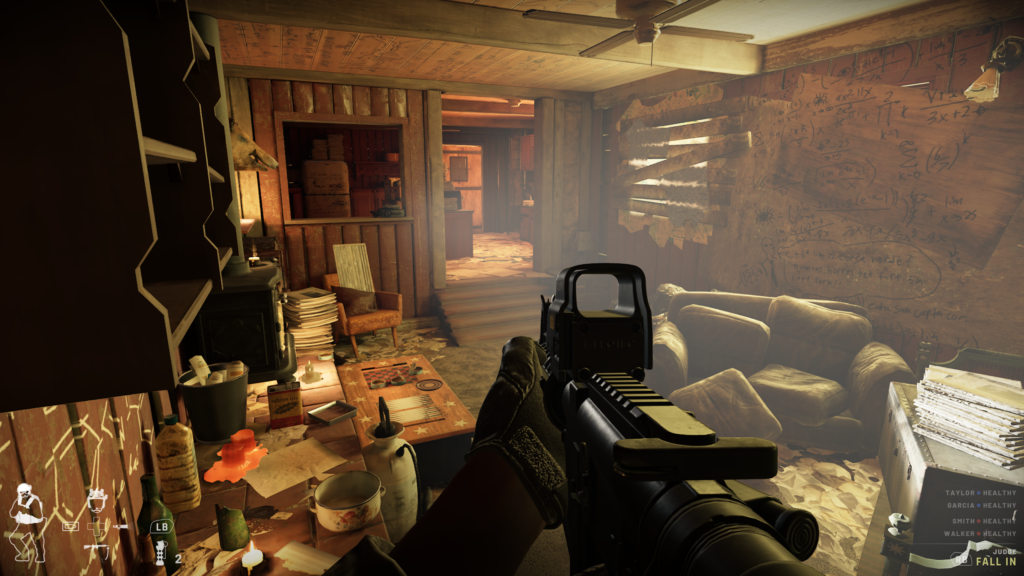
When Ready or Not entered early access, it wasn’t quite ready. The tactical police shooter initially felt more like a barebones terrorist-hunt simulator. There were maps, solid gunplay, and multiplayer — but very little structure. Over time, the transformation was dramatic.
Developers added:
The addition of solo-play depth completely changed the experience. Managing wounded or stressed officers adds realism and tension between missions. It’s no longer just about clearing rooms — it’s about maintaining a functioning unit.
Today, Ready or Not feels like the true spiritual successor to classic tactical shooters many fans were hoping for.

An unusual case, Look Outside wasn’t officially labeled early access — but version 2.0 effectively turned it into a fully realized game.
The 2.0 update added:
Before 2.0, it felt incomplete. After 2.0, it felt feature-complete.
It’s a reminder that sometimes early access happens unofficially — and that transformative updates can redefine a game overnight.
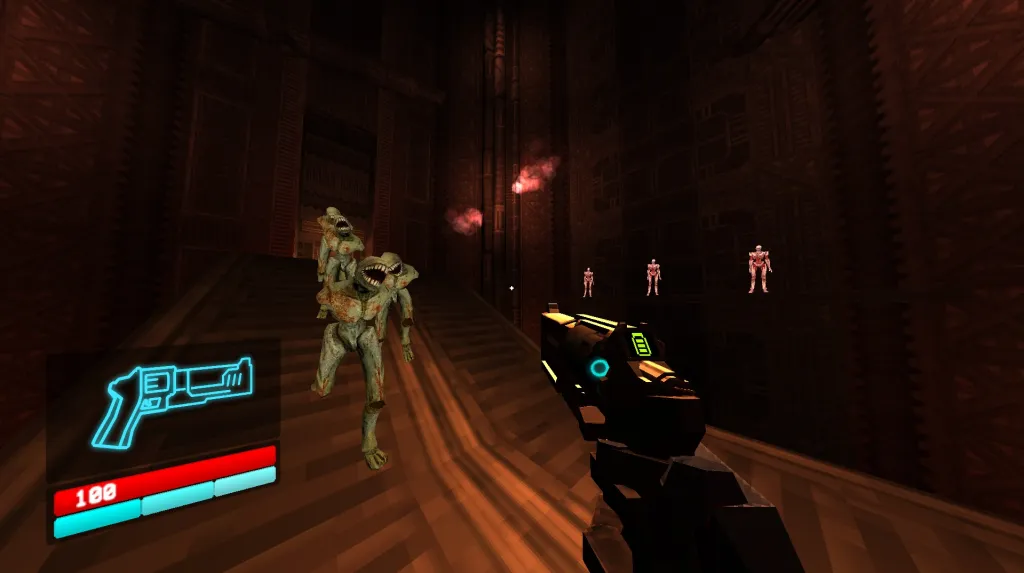
Ultrakill is chaotic, fast, and constantly evolving. When it launched, it featured only a handful of levels and basic systems. Now, it spans multiple layers — each introducing new enemies, layouts, and mechanics.
Major improvements include:
It even lacked an easy mode at launch — something added later based on feedback.
Ultrakill feels like it’s in constant motion. And somehow, every update improves it.
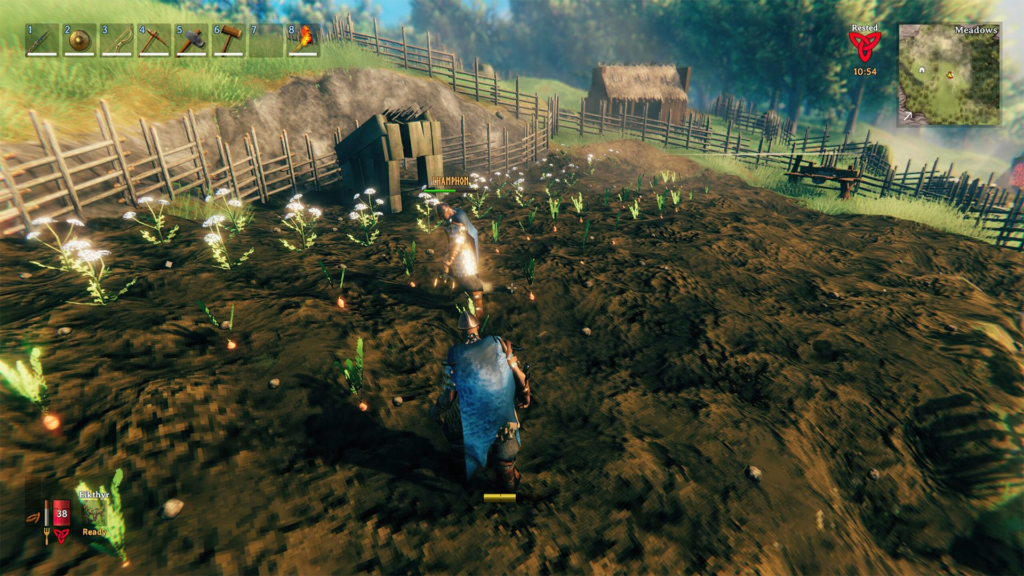
If there’s one game that defines early access success, it’s Valheim. What began as a Viking survival game with limited biomes has grown into a sprawling, system-heavy adventure.
Over five years of updates introduced:
Each biome feels like a substantial expansion. Systems layered on top of systems without losing the core survival loop: gather, build, explore, repeat. Valheim embodies what early access is supposed to be — steady growth guided by player feedback.
Besiege deserves recognition too. This physics-based destruction sandbox spent five years in early access, steadily adding campaigns, tools, and building parts. Even years after its official release, it continues receiving updates.
It may not be flashy, but its long-term support and thoughtful improvements show how sustained development can keep a game relevant for a decade.
Early access isn’t just about funding development. When handled correctly, it becomes a collaborative process between developers and players.
The best examples share a few traits:
These 10 games didn’t just add content. They reworked systems, redesigned mechanics, and reshaped their identities.
Early access can be messy. It can be frustrating. But when it works, it creates something special — games that grow with their communities and evolve into experiences far better than their first playable builds.
And judging by the continued success of titles like these, early access isn’t going anywhere.