Physical Address
304 North Cardinal St.
Dorchester Center, MA 02124
Physical Address
304 North Cardinal St.
Dorchester Center, MA 02124
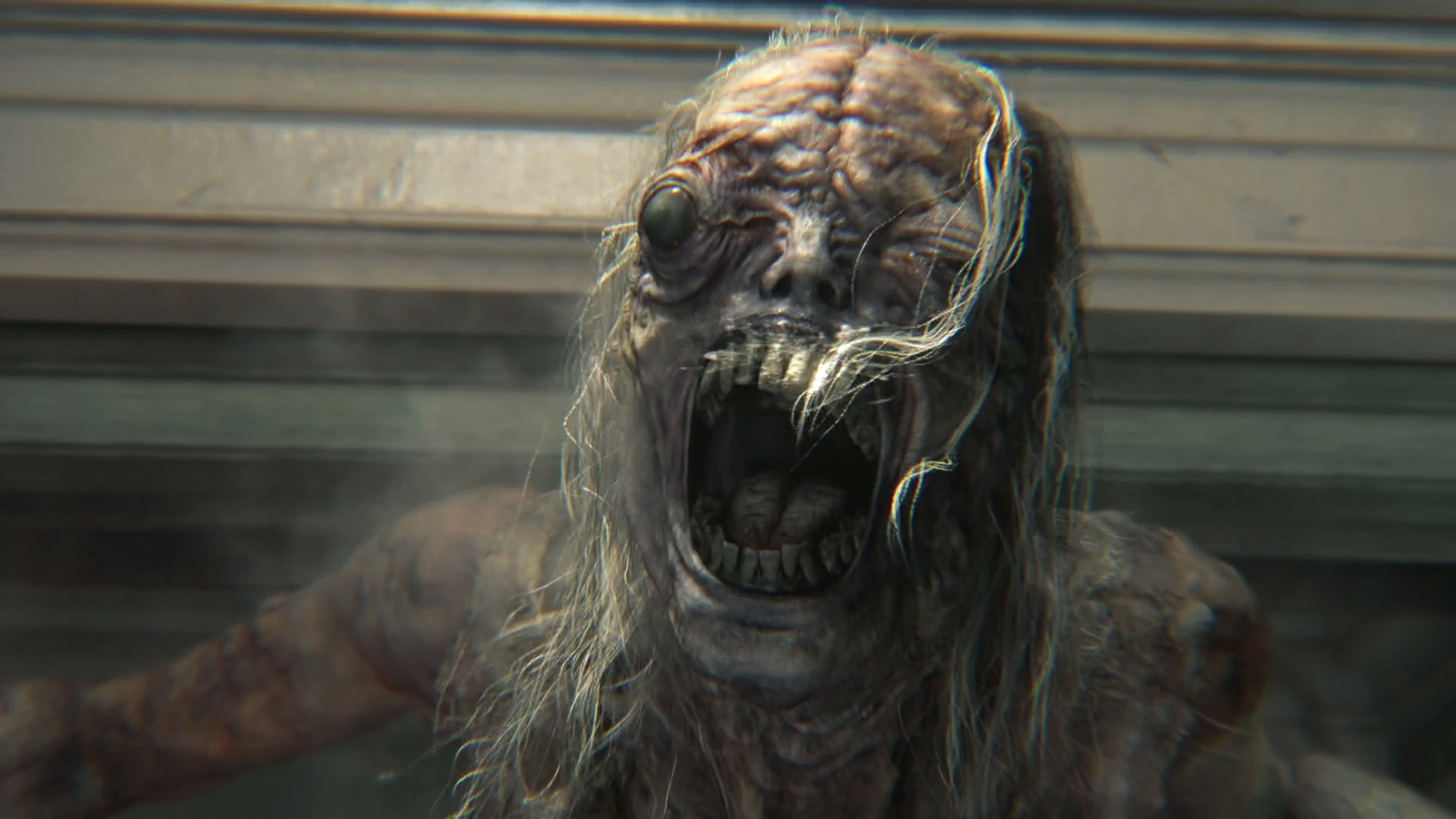
One of the most compelling aspects of the Resident Evil franchise has always been the why behind its horrors. The shambling zombies, grotesque mutations, and towering bio-organic weapons (B.O.W.s) aren’t just random nightmares — they’re the result of calculated science gone wrong. In Resident Evil 9, that tradition continues in terrifying fashion.
This time, the horror isn’t just external. It’s deeply personal. The infection at the center of the story runs so deep that even Leon himself carries it. What begins as speculation about a mysterious “Elpus virus” ultimately unravels into something far more sinister: a mutated strain of the infamous T-virus, resurfacing decades after the fall of Raccoon City.
Let’s break down the virus, the mutations, the experimental horrors, and the terrifying enemies that define Resident Evil 9.
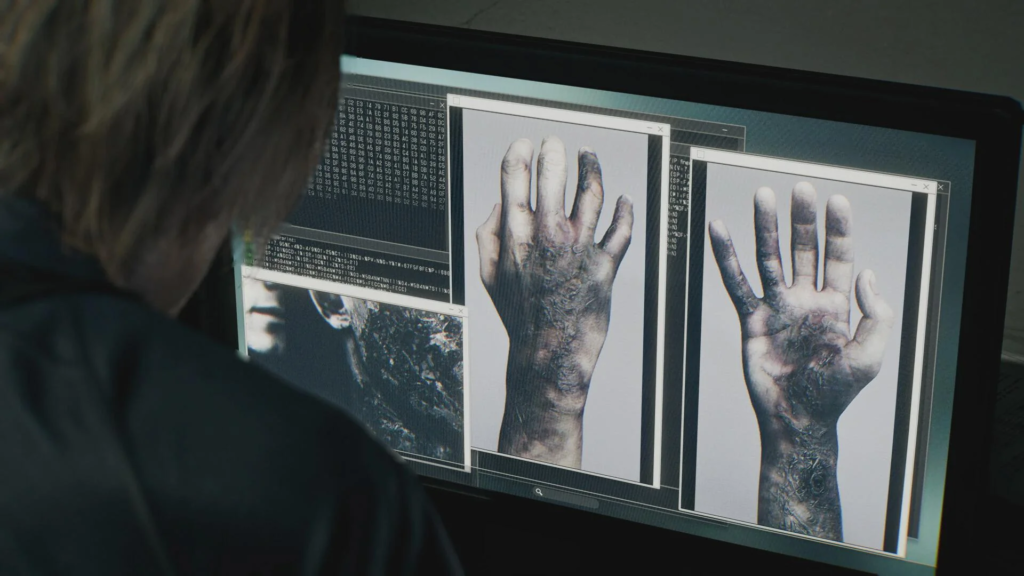
At first, many believed the outbreak in Resident Evil 9 was tied to a brand-new pathogen known as Elpus. But as the story unfolds, we learn the truth: this is a mutated strain of the original T-virus — the same virus responsible for the destruction of Raccoon City.
Survivors of the Raccoon City incident unknowingly carried this dormant strain for years. The virus remained inactive, slowly building a strange form of immunity within its hosts. This quiet incubation period is referred to as Stage Zero.
The progression of the virus, now officially dubbed Raccoon City Syndrome, is methodical and horrifying:
This discovery was made by Dr. Victor Gideon, the game’s primary antagonist. Rather than seeking a cure, Gideon weaponized the strain for experimentation, pushing the boundaries of mutation and human endurance.
Zombies return in Resident Evil 9, but they are far more disturbing than before. The new T-virus strain preserves fragments of consciousness in its victims.
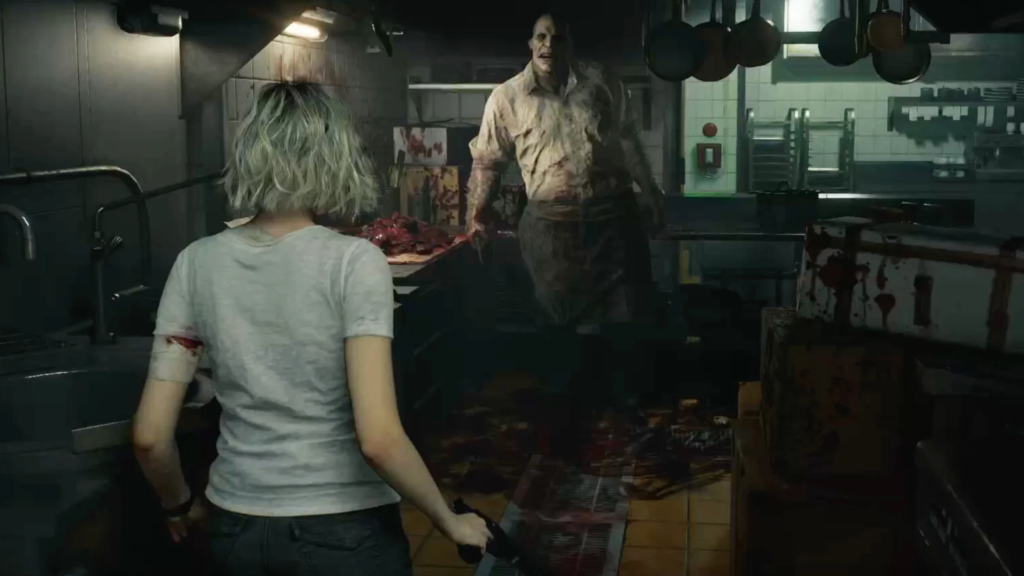
Inside the Roads Hill Chronic Care Center, we encounter recently infected individuals who still cling to pieces of their former lives. Maids compulsively scrub floors with violent intensity. A butcher endlessly hacks meat. Singers shriek when approached. Some even mutter apologies before dying.
This lingering awareness makes them far more tragic — and terrifying. It suggests that the person inside may still be partially conscious, trapped in a decaying body.
Thematically, this ties into the long-standing ambitions of Oswell Spencer and Umbrella: transferring consciousness into new bodies. The idea of a mind imprisoned within mutation has never felt more literal.
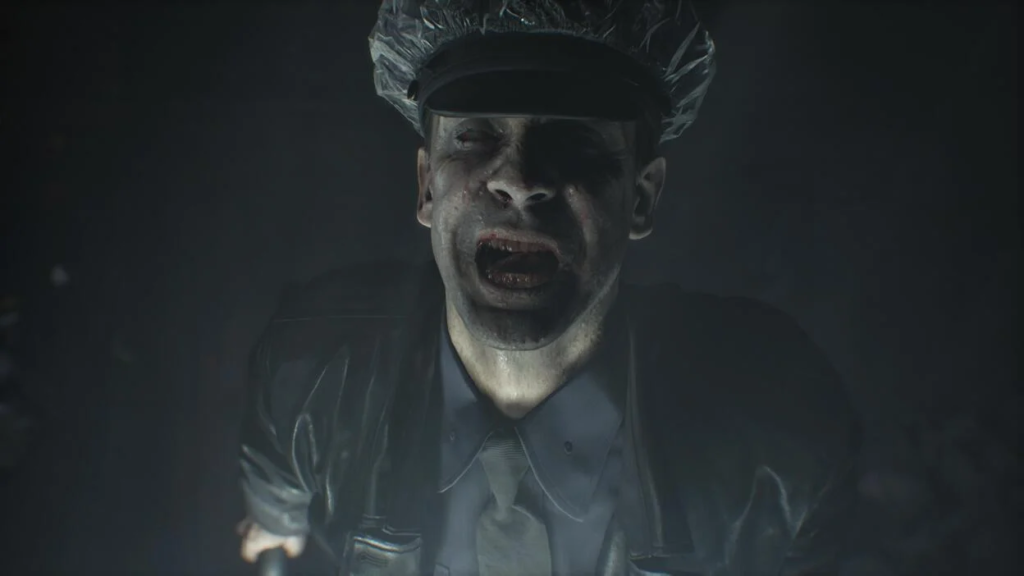
Further into the ruined city, the zombies change. They are emaciated, discolored, and animalistic. Having survived in isolation for over twenty years, they’ve deteriorated physically and mentally.
They rise from beneath the earth itself, as though the city attempted to bury its sins. Though they retain basic motor functions and can wield weapons, they are husks — remnants of an abandoned nightmare.
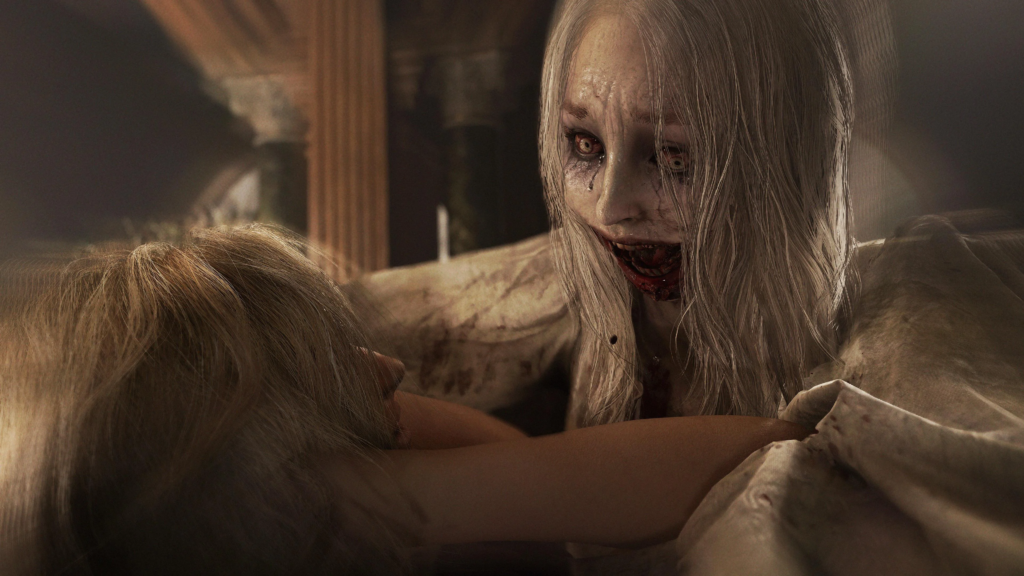
Inside ARK, a secret underground facility operated by The Connections, zombies take on a new dimension. These aren’t accidental survivors. They appear to be experimental variants — possibly failed B.O.W. prototypes or controlled mutation studies.
These versions are grotesquely disfigured, preserved in pods, and manipulated for research. Whether they were meant for sale or observation, they demonstrate how the mutated T-virus has evolved under human interference.
If regular zombies weren’t dangerous enough, Resident Evil 9 introduces a horrifying secondary mutation.
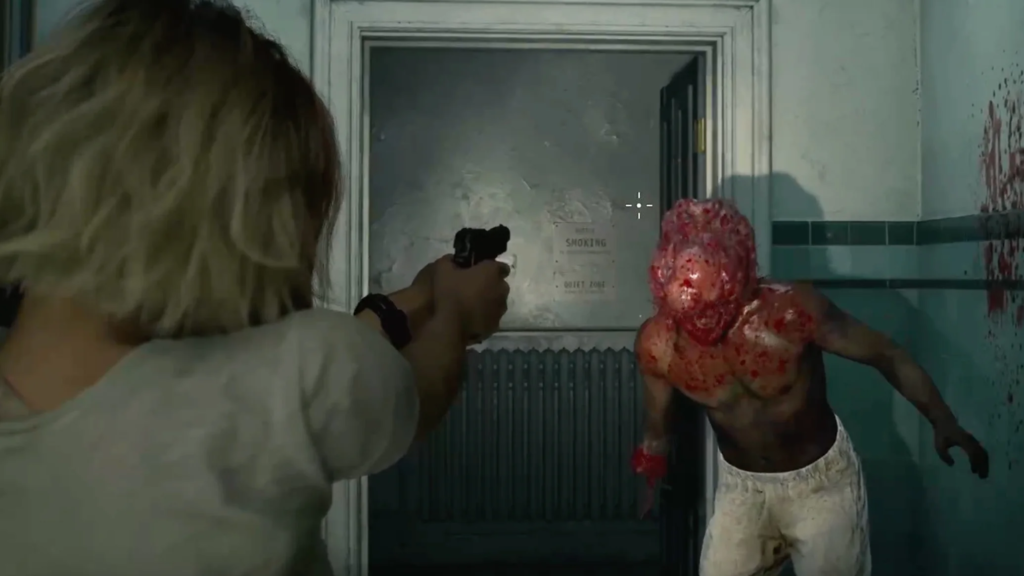
Reminiscent of Crimson Heads from the original Resident Evil, Blister Heads are what happens when infected corpses aren’t properly disposed of. A large bulbous tumor forms on the back of the skull, exposing brain matter. Their aggression increases dramatically due to rapid changes in blood cell structure.
In the Care Center, players can use a hemolytic injector to poison corpses and prevent mutation. Ignore this mechanic, and you may watch a Blister Head form before your eyes. They are faster, stronger, and far more resilient — turning resource management into a critical survival decision.
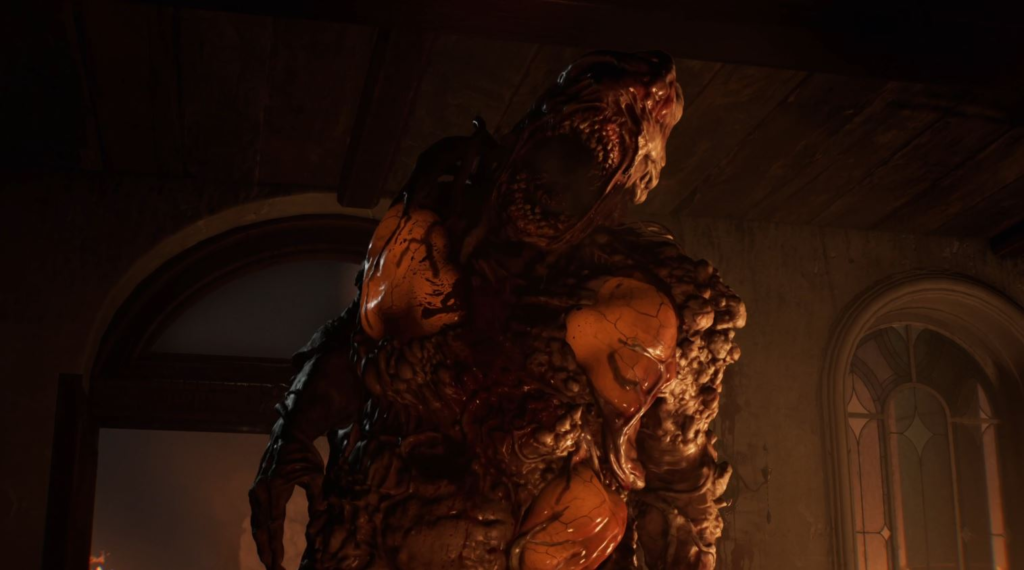
Even rarer is the Blister Born — a mutation layered upon mutation. These hulking monstrosities tower over Leon, their bodies covered in pulsing organs and tumor growths.
The fight mechanic is especially unique: each organ destroyed sprays infected fluid. Any nearby zombie hit by the spray instantly mutates into a Blister Head. This transforms the battlefield dynamically, making the Blister Born dangerous not just because of its strength, but because it weaponizes other enemies.
It’s one of the most disturbingly clever designs in the game.
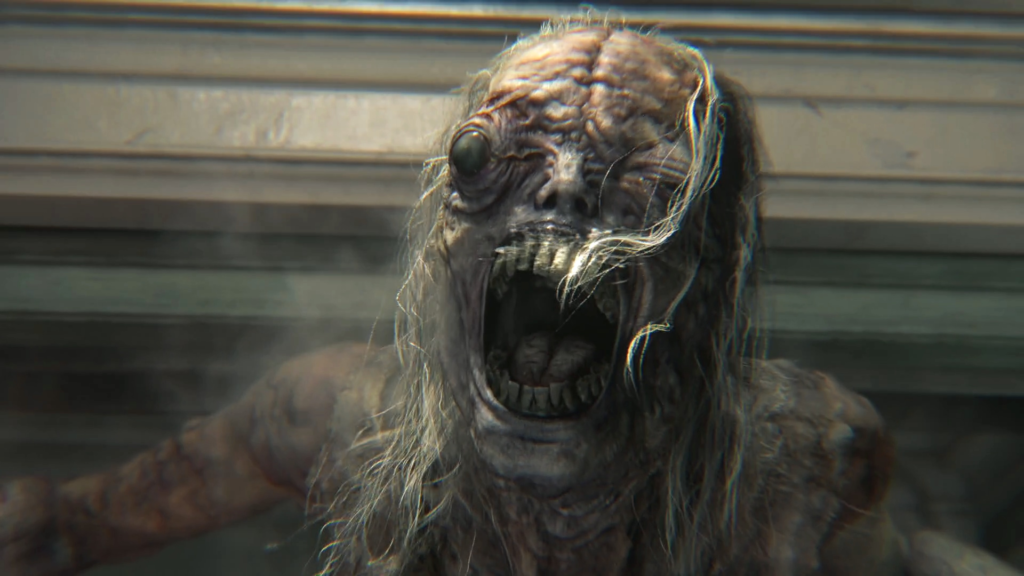
Among the most memorable enemies is simply known as The Girl — a towering, hag-like creature with childlike features. Her elongated limbs and bird-like legs suggest violent skeletal distortion. Tumorous growths line her body. She walks on the fronts of her feet, giving her movements an unnatural, predatory rhythm.
Lore reveals she is likely the twin sister of Emily, a young girl under Grace Ashcroft’s care. Dr. Gideon and The Connections created countless clones of Grace, believing she was the key to unleashing Elpus. Many clones were stored in the orphanage above ARK.
When the clones began mutating, most were deemed failures. The Girl appears to be one of them — perhaps Emily’s twin who partially transformed and escaped her cell by digging through the walls. Disturbingly, she does not harm Emily. She collects dolls and protects her. Her weakness is light, and Grace ultimately defeats her by luring her under an operable roof.
It’s a tragic ending — a monster born of cruelty, never given a chance at humanity.
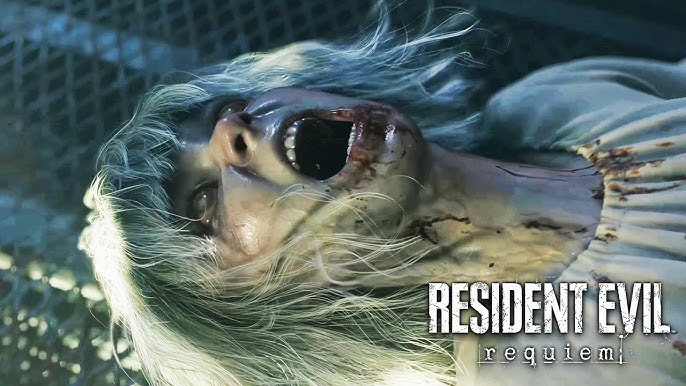
Shortly after, Emily herself mutates. Her transformation mirrors the grotesque infant from Resident Evil Village — becoming a giant distorted baby with a massive spiked appendage. Thankfully, her appearance is brief, as Leon quickly eliminates her. But the scene reinforces the horrific cost of Gideon’s cloning experiments.
Thomas and Timothy Jackson are another pair of experimental victims. Their satiety centers were surgically removed, eliminating their sense of fullness. The result? Massive, grotesquely obese mutants who consume anything in sight. One develops a taste for human flesh, making him especially dangerous.
Their boss encounters cleverly highlight gameplay contrast: Grace must hide and avoid confrontation, while Leon approaches with battle-hardened confidence.
Beyond failed experiments, ARK houses manufactured B.O.W.s designed for profit.
Enormous infected dogs capable of running up to 60 mph. Larger than anything seen before, they dwarf Leon’s motorcycle and are built for pursuit and attack.
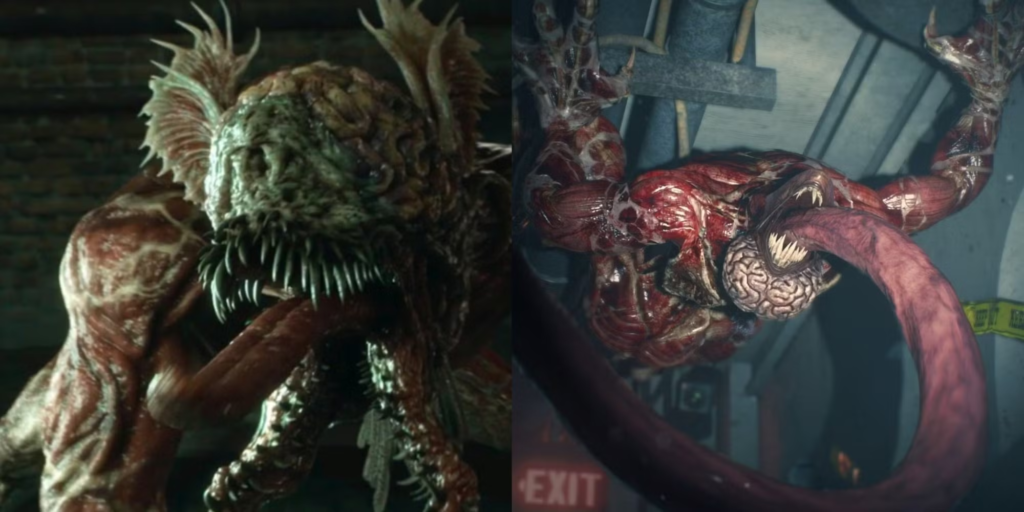
First introduced in Resident Evil 2, Lickers were once natural evolutions of zombies. The Beta-2 variants are engineered improvements — larger claws, sharper tongues, increased size.
The Connections have effectively mastered and replicated their mutation pattern for controlled production.
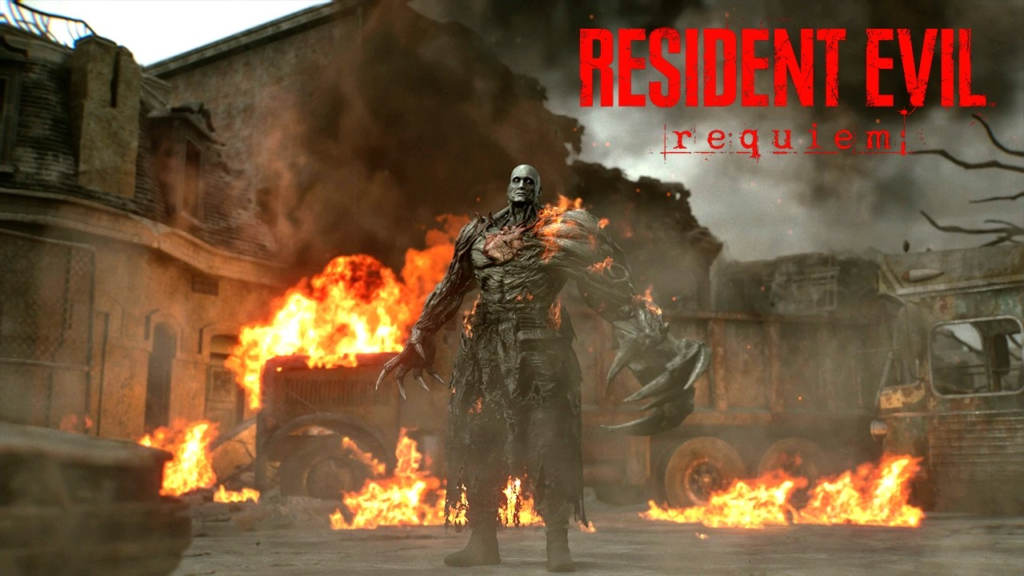
A spiritual successor to the Tyrant program seen in Resident Evil 2, Tyrant-501 wears the iconic coat but sports bluish skin and enhanced intelligence. Unlike Mr. X, this is not a clone but an upgraded model within the T-103 lineage. He demonstrates improved tactical awareness and refined combat behavior.
His boss fight transitions into a Super Tyrant mutation reminiscent of past designs, reinforcing continuity while modernizing the threat.
ARK also houses the massive Plant 43 — likely a newly engineered version rather than the original. Its black vines create an entire combat zone, forcing Leon to navigate tendrils and slam attacks.
Meanwhile, early in Raccoon City, players encounter the Titan Spinner — a gargantuan spider mutation. Unlike engineered B.O.W.s, evidence suggests this creature may be a natural byproduct of prolonged T-virus exposure over two decades.
Its size, web-covered territory, and offspring indicate it evolved naturally within the ruins.
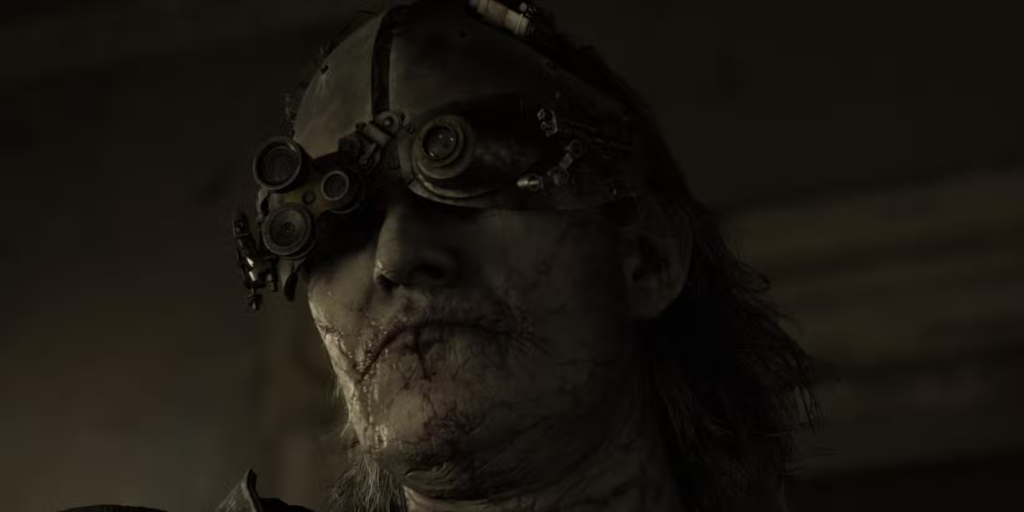
Once an Umbrella researcher involved in the Tyrant project, Gideon continued his work after Umbrella’s collapse in 2003. He purchased Roads Hill Chronic Care Center — formerly a Spencer Foundation site — using it as a front for experimentation. He became obsessed with Elpus and the dormant T-virus strain.
When investigative journalist Alyssa Ashcroft uncovered his operations in 2018, he had her assassinated. In the final act, Gideon infects himself with a modified parasite strain, allowing him to retain his mind while gaining Nemesis-like strength and regenerative power.
His boss fight unfolds in two phases:
It may not be the most mechanically complex fight in the franchise, but it delivers narratively — a scientist consumed by his own obsession.
Resident Evil 9 succeeds because its horror feels layered. The mutated T-virus connects past tragedies to present horrors. The enemies aren’t random — they are consequences.
From the tragic Girl and Emily’s transformation to engineered Tyrants and natural environmental mutations, every creature ties back to greed, obsession, and the pursuit of control over life itself.
At its core, Resident Evil 9 reminds us of a central truth of the franchise: the greatest monsters were never just the infected.
They were the people who created them.