Physical Address
304 North Cardinal St.
Dorchester Center, MA 02124
Physical Address
304 North Cardinal St.
Dorchester Center, MA 02124
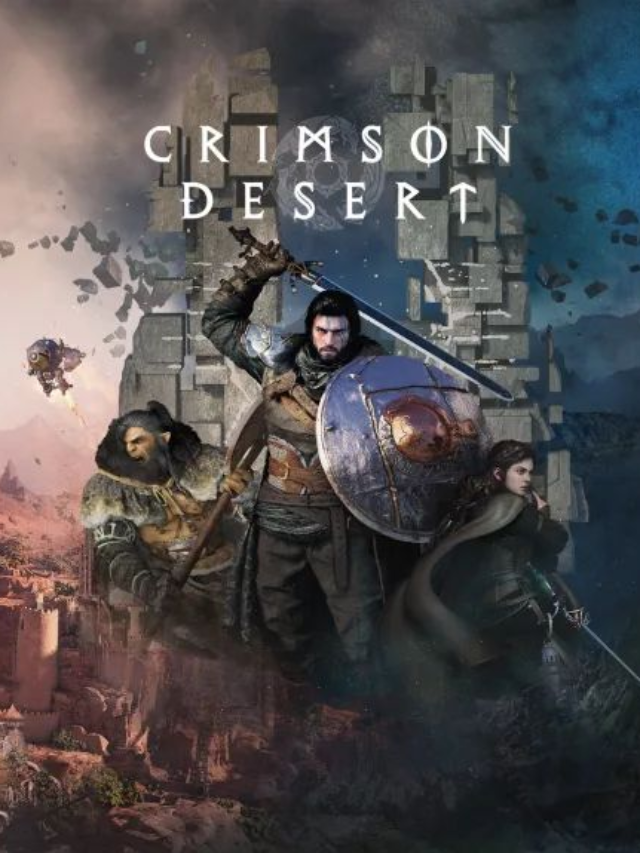
We’re back with another Before You Buy breakdown—where the goal is simple: cut through the hype and give you real, honest first impressions based on actual gameplay. This time, we’re diving into Crimson Desert, one of the most anticipated open-world RPGs in recent years. Developed by Pearl Abyss, this game has been on the radar for a long time thanks to its stunning visuals, ambitious systems, and promises of a next-gen open-world experience.
But hype can be dangerous. A game can look incredible in trailers and still fall flat where it matters most—gameplay. So the real question is: Is Crimson Desert actually fun to play?
After spending significant time with a review copy on PC, the answer isn’t just a simple yes or no. It’s a bit more complicated—and honestly, more interesting than that.
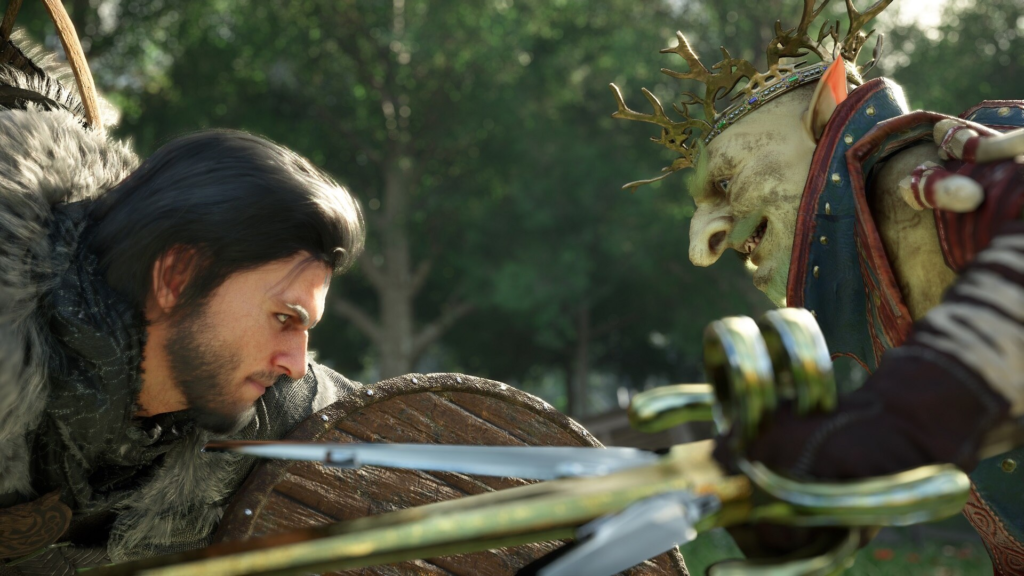
Let’s get the biggest issue out of the way early. The first 6–8 hours of Crimson Desert are rough.
Not just slow—rough. The game throws a ton of systems at you but does so in a strange, drip-fed way. Mechanics are introduced gradually, sometimes poorly explained, and often paired with quests that feel uninspired or downright boring. Early missions lack urgency, emotional weight, or even basic motivation.
At times, it feels disjointed—like content was cut or rearranged in a way that doesn’t quite make sense. You might find yourself wondering, “Why should I care about any of this?”
For some players, that alone will be enough to quit. But if you stick with it, something interesting happens.
Once Crimson Desert gets past its sluggish introduction, it transforms into something much more exciting—a massive sandbox full of possibilities. This is where the game starts to shine.
You’re no longer stuck doing dull tasks. Instead, you’re unleashed into a sprawling world filled with systems, mechanics, and activities that all start to connect in meaningful ways. The game becomes less about following instructions and more about experimenting and discovering what you can do.
And there’s a lot you can do:
It genuinely feels like the developers threw everything they had into this game—and surprisingly, most of it works.
If there’s one system that truly carries Crimson Desert, it’s combat.
At first glance, it seems simple: light attacks, heavy attacks, blocking, and parrying. But as you progress, it evolves into something far deeper and more satisfying.
You gradually unlock:
What starts as basic hack-and-slash gameplay turns into a dynamic combat system where creativity matters.
You can:
And most importantly—it feels good. Every sword strike has weight. Every parry feels rewarding. There’s a visceral satisfaction in how enemies react to your attacks.
The game also isn’t afraid to throw large groups of enemies at you, encouraging you to experiment and go all out. Whether you prefer aggressive melee combat or a more tactical approach using stealth and ranged weapons, there’s flexibility here.
That said, stealth feels a bit undercooked compared to the rest. It works, but it’s not nearly as polished or engaging as direct combat.
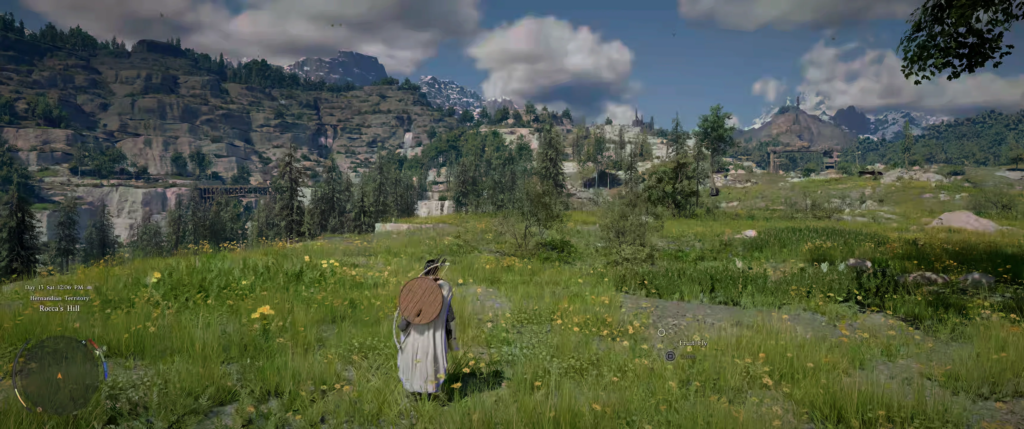
Movement plays a huge role in making the world feel alive.
Your character, Cliff, isn’t just running around aimlessly—he’s equipped with abilities that make traversal genuinely fun. You have:
As you upgrade your skills, traversal becomes faster and more fluid, turning exploration into something you want to do rather than something you have to do.
Horseback riding is another highlight. Your mount isn’t just a way to get from point A to point B—it’s fully integrated into gameplay:
It’s clear a lot of thought went into making movement feel engaging, and it pays off.
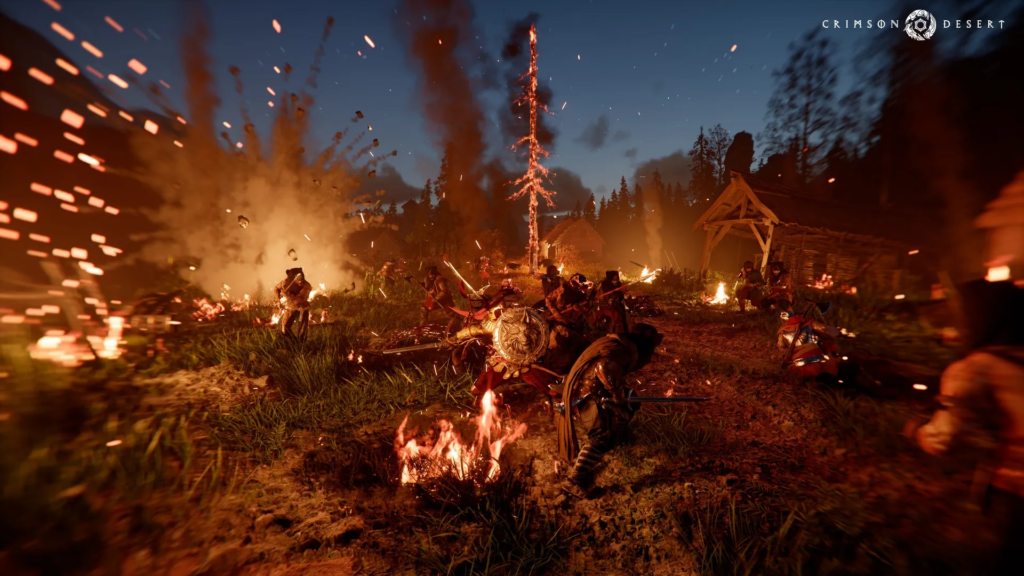
Crimson Desert’s world is absolutely enormous—one of the biggest in recent memory.
But it’s not just about size. It’s about density.
The game features:
Exploring feels rewarding because you’re constantly stumbling upon something new—whether it’s a quest, a hidden item, or just a strange environmental detail.
Even if you’re someone who’s burnt out on open-world games, there’s a good chance this one might still pull you in. There’s a certain feel to the world that keeps you curious and engaged.
Loot plays a big role in keeping players invested.
You’ll constantly be collecting:
Each piece of gear feels meaningful. You can upgrade your favorite weapons instead of constantly replacing them, which adds a nice sense of continuity.
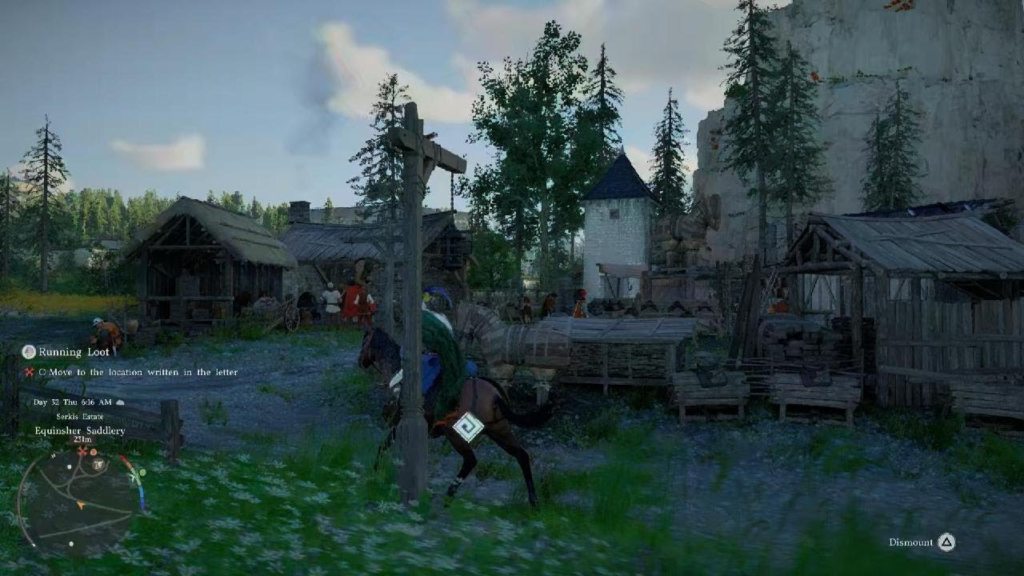
Customization is also solid:
There’s also an interesting system involving contribution points, earned by completing side quests. These points can be spent at special shops for unique rewards, giving you a real incentive to engage with side content.
For all its strengths, Crimson Desert isn’t without flaws.
Moment-to-moment gameplay can feel a bit janky. Simple actions like picking up items can be frustrating due to awkward controls. The camera, in particular, can be a problem:
Even the lock-on system isn’t always reliable, which can make fights more chaotic than they should be.
The game gives you a lot to work with—but not always in a clear way.
You might forget abilities you have simply because there are so many. This becomes especially noticeable during puzzles, where the solution might require a mechanic you didn’t even realize was relevant.
Some puzzles are enjoyable—but many feel poorly designed or overly obscure. You’ll likely encounter moments where the solution doesn’t feel logical, pushing you to look up guides instead of figuring things out naturally.
The inventory system is messy and sometimes restrictive. Early limitations can be frustrating, and overall organization could be much better.
Perhaps the biggest disappointment is the story. Despite an interesting world, the narrative struggles to create emotional engagement. Characters aren’t particularly memorable, and the game doesn’t give you strong reasons to care about what’s happening.
For players who value storytelling, this might be a dealbreaker.
Crimson Desert is a fascinating game because it feels like two completely different experiences depending on how long you stick with it. Early on, it’s messy, slow, and even a little boring.
But once it opens up, it becomes:
It’s not a perfectly polished experience. It’s weird, sometimes janky, and occasionally frustrating. But it’s also ambitious, creative, and packed with systems that genuinely feel worth exploring.
Crimson Desert absolutely lives up to the hype—but only for the right type of player. It’s not a game that holds your hand or tries to appeal to everyone. Instead, it throws you into a massive, complex world and lets you figure things out on your own.
If that sounds exciting, you’re probably going to have a blast. If not, this might be one to skip—or at least wait and watch more gameplay before jumping in.
Either way, it’s one of the most interesting open-world games in recent years—and definitely one worth keeping an eye on.