Physical Address
304 North Cardinal St.
Dorchester Center, MA 02124
Physical Address
304 North Cardinal St.
Dorchester Center, MA 02124
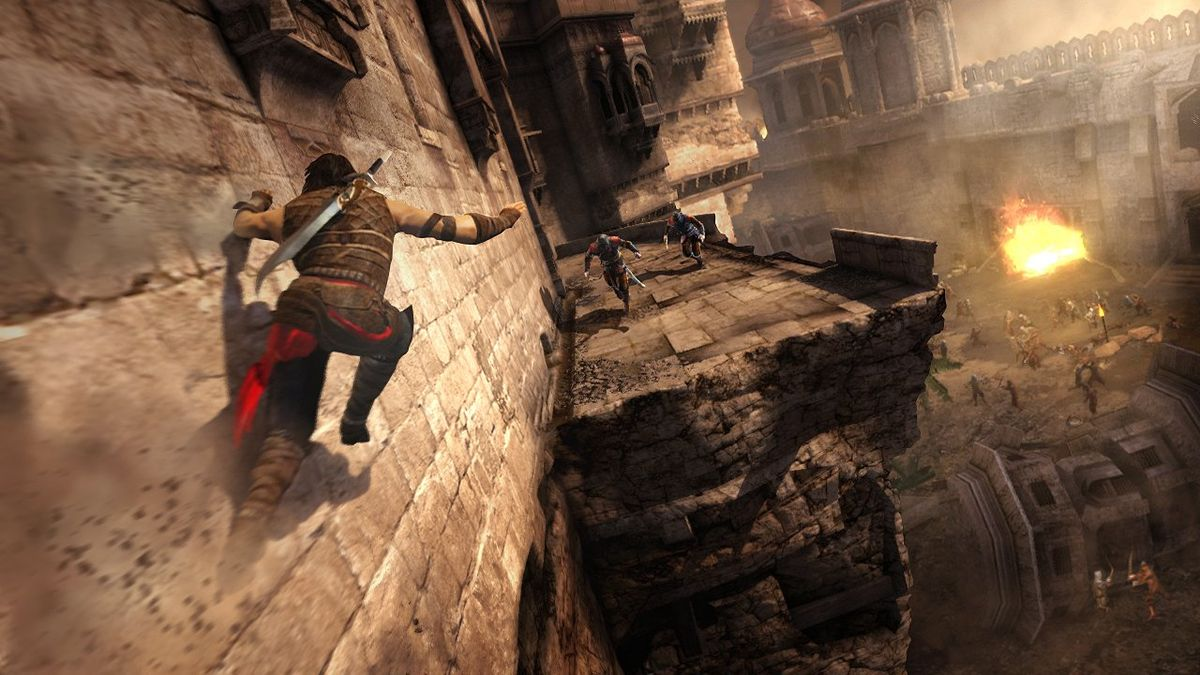
There are very few video game franchises that carry the kind of emotional weight and nostalgia that Prince of Persia does. For millions of gamers, it wasn’t just another title—it was a defining part of childhood. From the groundbreaking animation of the original game to the revolutionary mechanics of Prince of Persia: The Sands of Time, the series has experienced incredible highs. But just as dramatically, it has also fallen into periods of confusion, neglect, and missed opportunities.
Today, the franchise sits in a strange place—remembered fondly, occasionally revived, but never quite reclaiming its former glory. To truly understand how things got here, we need to go back to the very beginning and trace the complete journey of this iconic series.
The story of Prince of Persia begins with Jordan Mechner, a college student with a passion for storytelling and animation. Long before the franchise became a household name, Mechner was experimenting with ways to make video games feel more cinematic.
In 1984, he created Karateka, a martial arts action game that stood out for one major reason—its animation. Using a technique called rotoscoping, Mechner recorded real human movements and translated them into the game. At a time when most games had stiff and unrealistic character motion, Karateka felt fluid and alive. It was a massive success, selling around 500,000 copies—an impressive number for that era.
But this was just the beginning.
In 1989, Mechner released the original Prince of Persia. Inspired by Middle Eastern folklore and cinematic storytelling, the game introduced players to a nameless hero trying to rescue a princess from an evil vizier.
What made this game revolutionary wasn’t just its story—it was how it felt to play. Once again using rotoscoping, Mechner brought a level of realism that was unheard of at the time. Every jump, every sword fight, every movement felt grounded and human.
The gameplay was simple but intense:
Despite strong competition from major titles of the era, Prince of Persia became a massive success. It wasn’t just popular—it became iconic. Players even began speedrunning it long before speedrunning became mainstream.
This game didn’t just succeed—it laid the foundation for cinematic platformers as a genre.
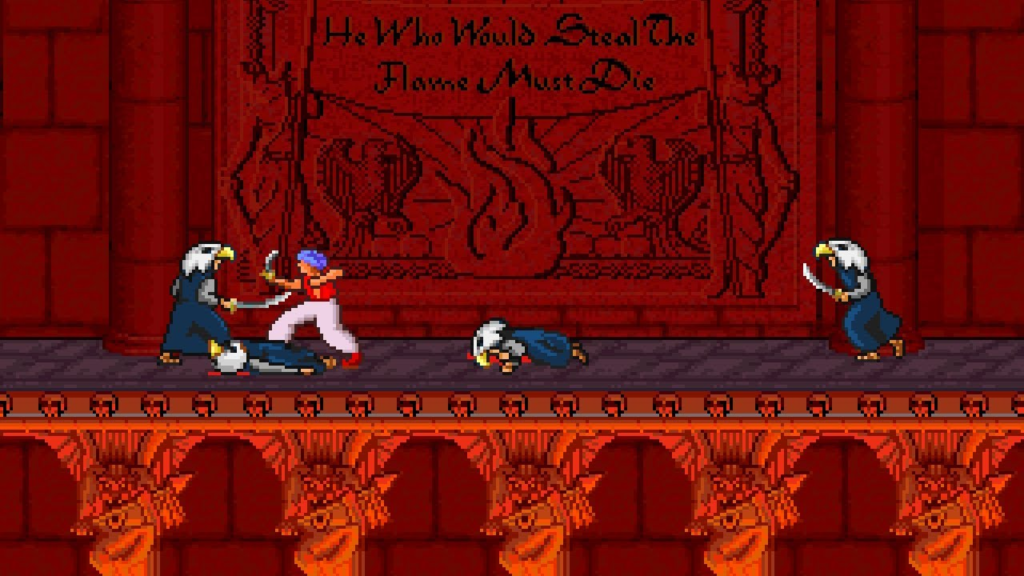
After the success of the original, Mechner took a break to study filmmaking. This delay meant that the sequel took time, but when it arrived in 1993 as Prince of Persia 2: The Shadow and the Flame, it built upon the original in meaningful ways.
The sequel focused more on storytelling, expanding the narrative with:
It was another commercial success, proving that the franchise had staying power.
But behind the scenes, the gaming industry was evolving rapidly. The transition from 2D to 3D was beginning, and it would soon change everything.
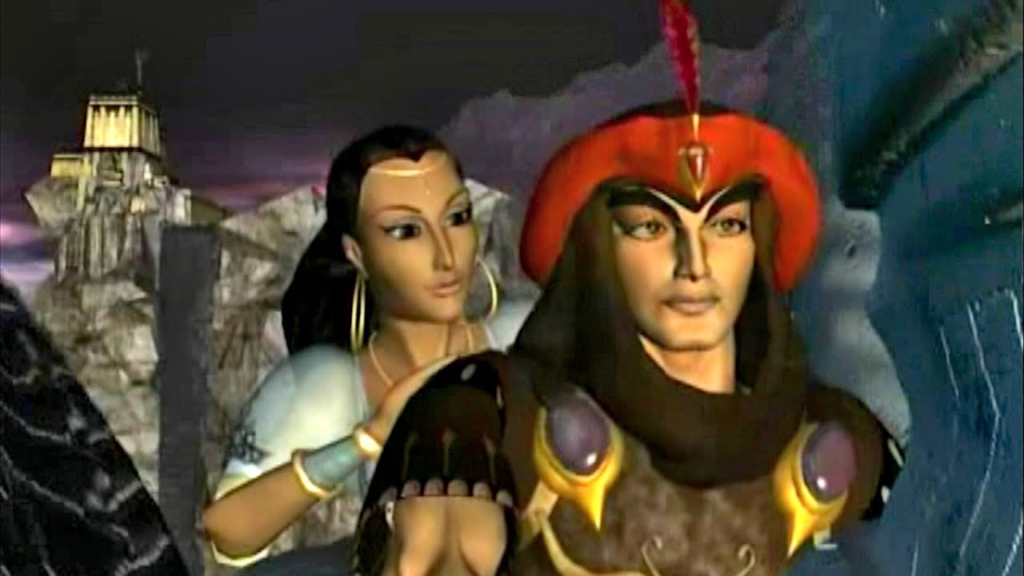
By the late 1990s, 3D gaming had become the industry standard. Like many classic franchises, Prince of Persia attempted to evolve with the times.
In 1999, Prince of Persia 3D was released—and it was a disaster.
On paper, the game had everything:
But execution is everything. The game suffered from:
Critics were harsh, and players were disappointed. Some even compared it unfavorably to Tomb Raider, calling it an inferior imitation.
This failure nearly destroyed the franchise. Its reputation took a massive hit, and for a while, it seemed like Prince of Persia might disappear completely.
At its lowest point, the franchise was acquired by Ubisoft, specifically Ubisoft Montreal. This decision would change everything.
Ubisoft brought back Jordan Mechner and began reimagining the series for a new generation. Early concepts included fluid parkour movement—running on walls, climbing, and navigating environments in ways that felt natural and exciting.
This vision finally came to life in 2003 with the release of Prince of Persia: The Sands of Time.
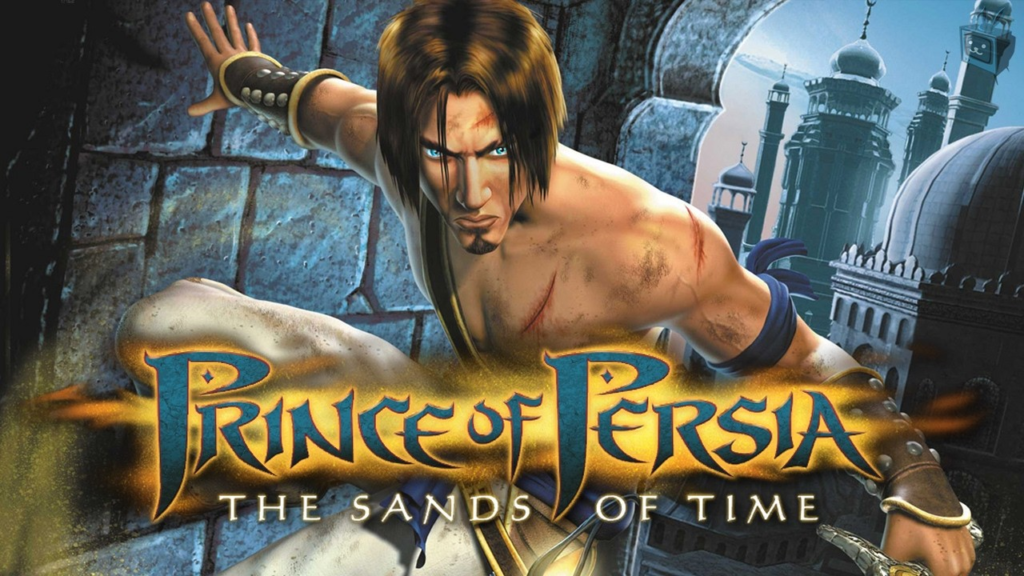
The Sands of Time wasn’t just a comeback—it was a reinvention.
The game introduced mechanics that felt revolutionary:
The story followed the Prince and Princess Farah as they tried to undo a catastrophic mistake involving the Sands of Time. The narrative was emotional, engaging, and far more sophisticated than most games of its era.
Everything worked:
It received critical acclaim and won multiple Game of the Year awards. More importantly, it restored the franchise’s reputation.
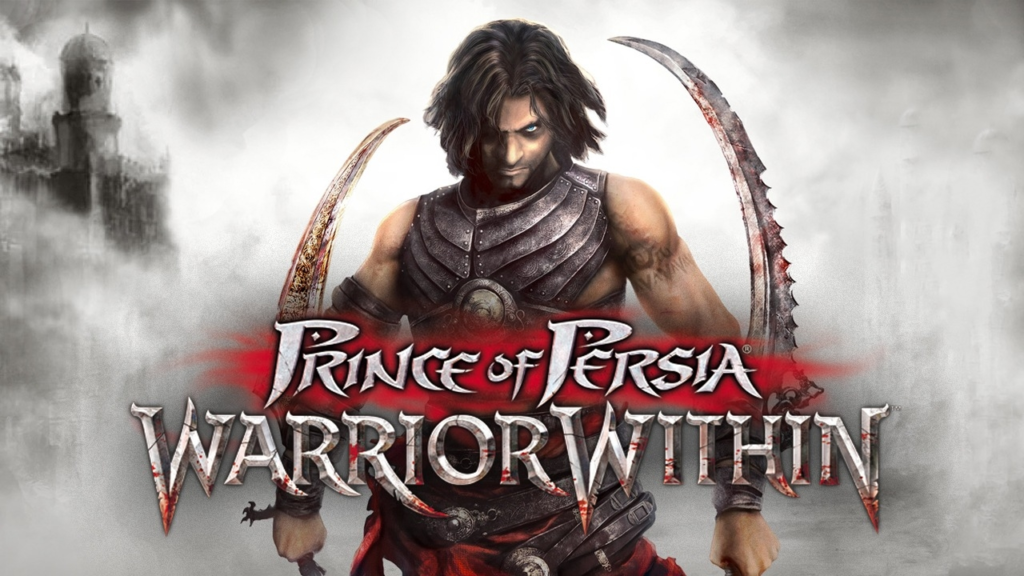
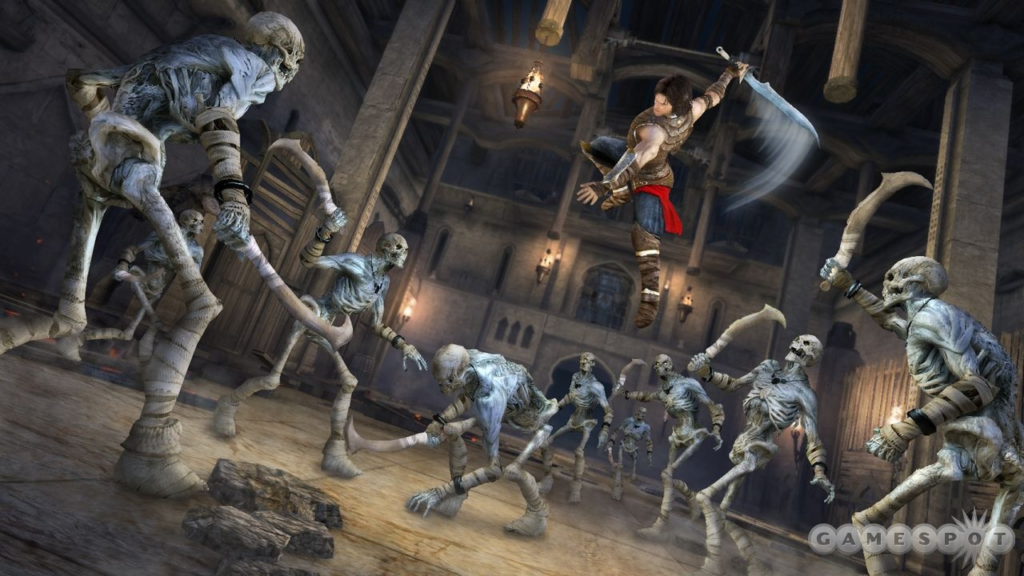
The sequel, Warrior Within, took a darker turn. The Prince was now hunted by a relentless creature due to his manipulation of time.
The tone shift included:
While some fans and even Mechner himself weren’t fully on board with this direction, the game was still commercially successful.
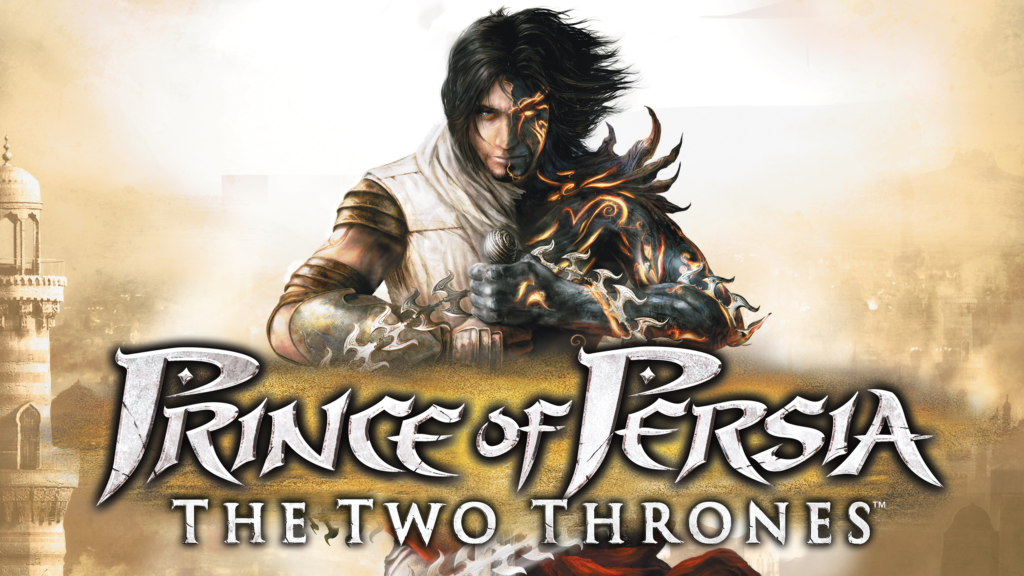
The trilogy concluded with The Two Thrones, blending elements from both previous games.
Key highlights included:
Although reception was mixed compared to its predecessors, it wrapped up the trilogy in a meaningful way.
During this time, Ubisoft was working on a new project originally conceived as a Prince of Persia spin-off. That project eventually became Assassin’s Creed.
When Assassin’s Creed launched in 2007, it was a massive success—far surpassing Prince of Persia in sales and long-term potential.
This changed everything.
Ubisoft shifted its focus toward:
Prince of Persia slowly became less of a priority.
In 2008, Ubisoft released a reboot of Prince of Persia with a new art style and gameplay mechanics. While visually stunning, it removed a core element—failure. Players couldn’t die, which reduced tension and challenge.
Despite its artistic ambition, the game failed to resonate with fans.
Released alongside the movie adaptation, The Forgotten Sands attempted to return to the Sands of Time formula. While it was decent, it didn’t achieve major success.
Disney’s Prince of Persia: The Sands of Time film had a big budget and high expectations. While entertaining, it lacked originality and failed to launch a successful film franchise.
After 2010, the franchise entered a long period of inactivity. Aside from minor mobile titles and canceled projects like Prince of Persia: Redemption, there was no major release.
Meanwhile, Ubisoft doubled down on:
Prince of Persia became a relic of the past.
In 2020, Ubisoft announced a remake of The Sands of Time. Fans were excited—this was the game that defined the franchise.
But that excitement quickly turned into disappointment.
The initial trailer faced heavy criticism:
What followed was a series of delays, development changes, and uncertainty. The project was eventually handed over to Ubisoft Montreal, giving fans hope.
But after years of waiting, in January 2026, Ubisoft made a shocking decision—the remake was canceled.
Several factors contributed:
Ubisoft chose to avoid releasing a potentially underwhelming product that could damage the franchise’s legacy.
A return to 2.5D gameplay, The Lost Crown was critically praised for its mechanics and design. However, it struggled commercially due to pricing and creative direction controversies.
This roguelike spin-off offered solid gameplay but lacked the identity fans expected from the series.
The biggest challenge facing Prince of Persia today is its identity.
The franchise thrives on:
But modern AAA gaming often prioritizes:
This mismatch makes it difficult for Ubisoft to justify investing heavily in the series.
Despite everything, Prince of Persia isn’t completely gone.
It remains one of Ubisoft’s most iconic properties. The success of The Sands of Time trilogy proves that there is still a strong audience for this kind of experience.
What the franchise needs is:
If Ubisoft can find the right balance, a true comeback is still possible.
The journey of Prince of Persia is one of the most fascinating stories in gaming history. It’s a tale of innovation, success, failure, reinvention, and uncertainty.
From its humble beginnings in 1989 to the revolutionary heights of The Sands of Time, and finally to its current uncertain state, the franchise has seen it all.
In many ways, Prince of Persia represents the gaming industry itself—constantly evolving, sometimes losing its way, but always capable of greatness.
Whether it returns as a major title or remains a nostalgic memory depends entirely on what Ubisoft chooses to do next.
But one thing is certain—Prince of Persia will never be forgotten.