Physical Address
304 North Cardinal St.
Dorchester Center, MA 02124
Physical Address
304 North Cardinal St.
Dorchester Center, MA 02124
There are simply too many games and not enough time. If you’ve been following the gaming scene in 2026, you already know this year has been absolutely stacked. Big AAA releases, surprise indie hits, experimental titles—every month feels like a new wave of must-play experiences. And while that’s great for players, it also means some genuinely fantastic games slip through the cracks.
Even for dedicated gaming platforms, it’s impossible to cover everything. Sometimes a game launches alongside a blockbuster. Sometimes it looks too niche at first glance. And sometimes, there’s just not enough time to dive in.
This list is about those games—the ones we genuinely regret not covering sooner. These aren’t bad games. In fact, most of them are quite the opposite. They’re creative, bold, and in many cases, surprisingly addictive. If you’re looking for something fresh to play, this list might just be your goldmine.
Let’s dive in.
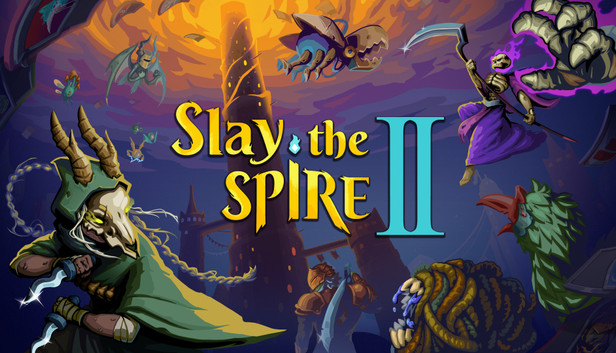
Few indie games have managed to capture attention like Slay the Spire 2. Launching with massive player numbers and continuing to dominate charts, this deck-building roguelike proves that you don’t need flashy realism to hook players—you just need great mechanics.
At its core, the game follows a simple but deeply engaging loop. You pick a character with a unique starting ability, navigate branching paths, and build your deck as you go. Every encounter is a test of strategy. Every card matters. Every relic can make or break your run.
What makes this sequel stand out is how refined everything feels. The animations are smoother, the art style is more expressive, and the overall presentation has more personality. Even in early access, it already feels more complete than many full releases.
The beauty of Slay the Spire 2 lies in its depth. It doesn’t rely on reflexes—it challenges your decision-making. It’s about understanding synergy, planning ahead, and adapting when things don’t go your way. And because every run is different, it has near-infinite replayability.
It’s also one of those perfect “pick up and play” games, especially on handheld devices like the Steam Deck. Easy to start, hard to stop—that’s the magic formula.
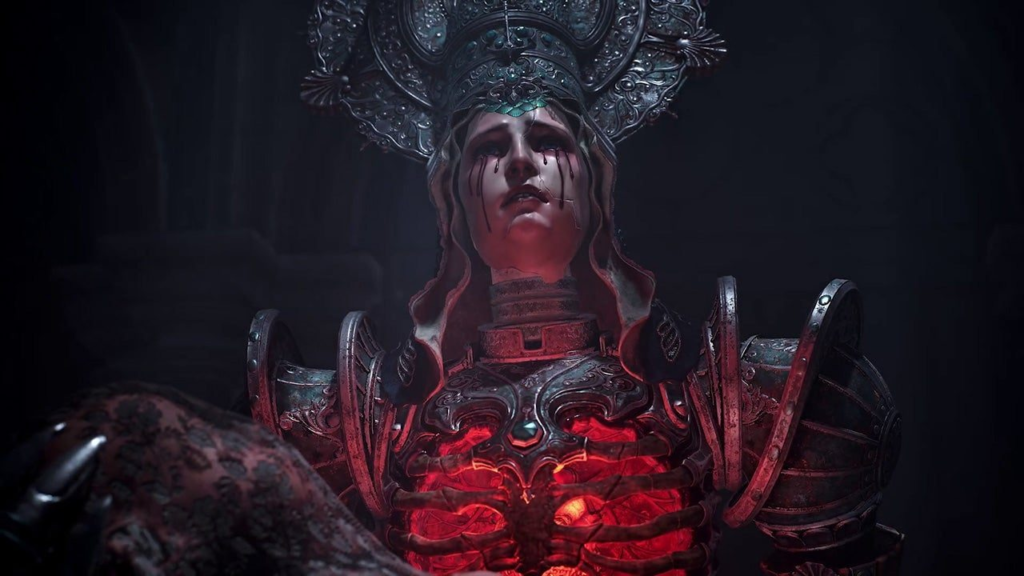
Croissol: Theater of Idols is one of those games that quietly launches and then surprises anyone who actually gives it a chance. At first glance, it might look like a lower-budget survival horror title inspired by Resident Evil. But once you start playing, it quickly becomes clear—it’s doing something very different.
You play as an inquisitor sent to a mysterious island filled with heretics and bizarre supernatural phenomena. The world itself is unsettling—neon-lit streets, eerie silence, and enemies that feel like they belong in a nightmare.
The standout mechanic? Your weapons run on your own blood.
Instead of traditional ammo, you sacrifice health to fire your weapons. That means every shot is a risk. Healing items aren’t just for survival—they’re also your ammunition supply. It creates a constant tension where every decision matters.
The game also introduces a terrifying stalker enemy that can’t be killed, forcing you to rely on stealth and strategy rather than brute force. Each area has its own identity, from industrial zones filled with traps to eerie urban districts.
While the game could benefit from more enemy variety and deeper systems, what’s here is already impressive—especially for its price point. It’s weird, bold, and worth experiencing if you’re a fan of experimental horror.
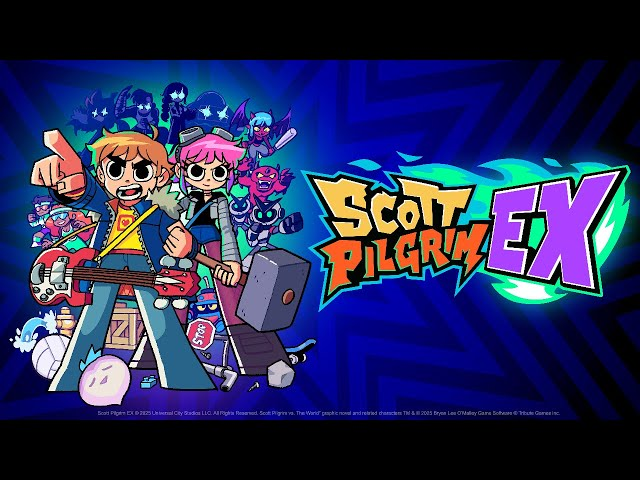
Beat ‘em ups have made a strong comeback in recent years, and Scott Pilgrim EX proves why. This long-awaited follow-up builds on everything that made the original game great and pushes it further.
The pixel art is stunning, the combat is fluid, and the overall vibe perfectly captures the chaotic energy of the Scott Pilgrim universe. Whether you’re a longtime fan or completely new, the gameplay alone makes it worth checking out.
One of the biggest changes is the structure. Instead of selecting levels from a menu, you explore a hub-based version of Toronto. You walk through areas, recruit allies, and discover missions organically. It adds a sense of immersion that the original didn’t have.
That said, this change might not be for everyone. Some players prefer the straightforward level selection of classic beat ‘em ups. But for others, this new approach adds depth and personality.
Where the game truly shines is in co-op. Playing with friends elevates the experience to another level. The combat feels satisfying, chaotic, and endlessly fun.
Despite being buried under bigger releases, this is easily one of the best modern beat ‘em ups available right now.
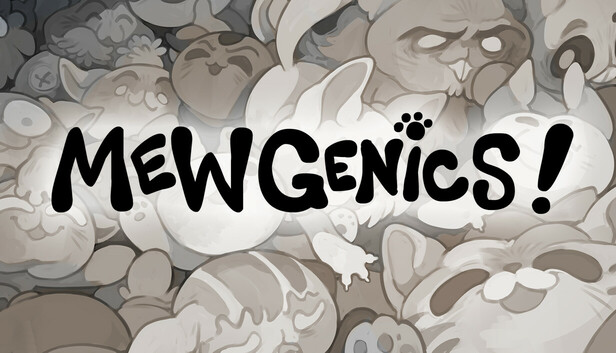
From the creator of The Binding of Isaac, Mugenics is exactly as strange as you’d expect—and maybe even stranger.
This isn’t your typical roguelike. Instead of fast-paced action, it focuses on strategy, genetics, and randomness. You breed cats, combine traits, and build teams to survive increasingly difficult encounters.
Yes, it’s as bizarre as it sounds.
The game features a deep system where you can create powerful combinations through careful planning. But there’s also a heavy reliance on luck. You might spend hours crafting the perfect team, only to lose everything due to an unlucky outcome.
That unpredictability is both its biggest strength and its biggest weakness.
Mugenics isn’t for everyone. It requires patience, a willingness to experiment, and a tolerance for failure. But for those who click with it, it becomes incredibly addictive.
It’s messy, chaotic, and unapologetically weird—and that’s exactly why it stands out.
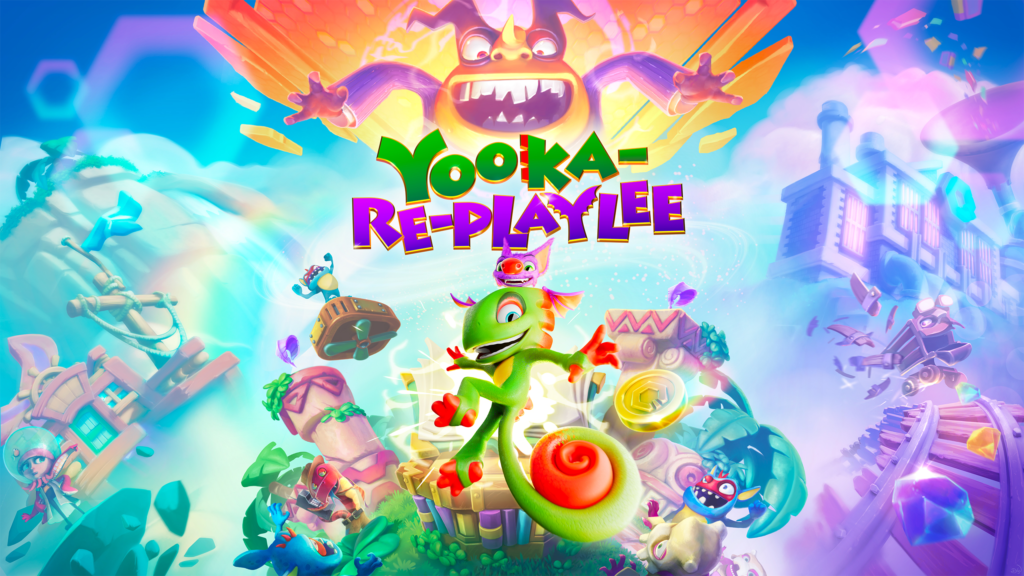
Not every remake needs to be of a masterpiece. Sometimes, the most exciting remakes are the ones that fix flawed games.
That’s exactly what Yooka-Replay does.
The original Yooka-Laylee had potential but was held back by clunky mechanics and design issues. This remake takes that foundation and rebuilds it into something genuinely enjoyable.
The controls are tighter. The movement feels responsive. The world design is more polished. It’s not just a visual upgrade—it’s a complete gameplay overhaul.
This is the kind of remake the industry needs more of. Instead of simply re-releasing a classic, it improves a game that almost got it right the first time.
And the result? One of the best 3D platformers currently available on modern systems.
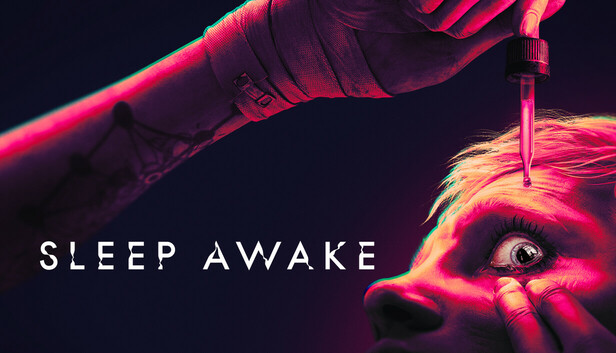
Sleep Awake is a short, experimental horror game that leans heavily into atmosphere and visual storytelling.
Set in a surreal cyberpunk world, the game revolves around a simple but unsettling concept: falling asleep could kill you.
Most of the gameplay involves sneaking past enemies and exploring strange environments. It’s closer to a walking simulator than a traditional horror game, with limited interaction.
Where it excels is in its presentation. The visuals are trippy, the sound design is eerie, and the transitions between reality and dreams are disorienting in a fascinating way.
However, the game’s biggest flaw is its length. Just as things start getting interesting, it ends. It leaves you wanting more—but not necessarily in a satisfying way.
Still, for fans of psychological horror, it’s a unique experience worth trying at least once.
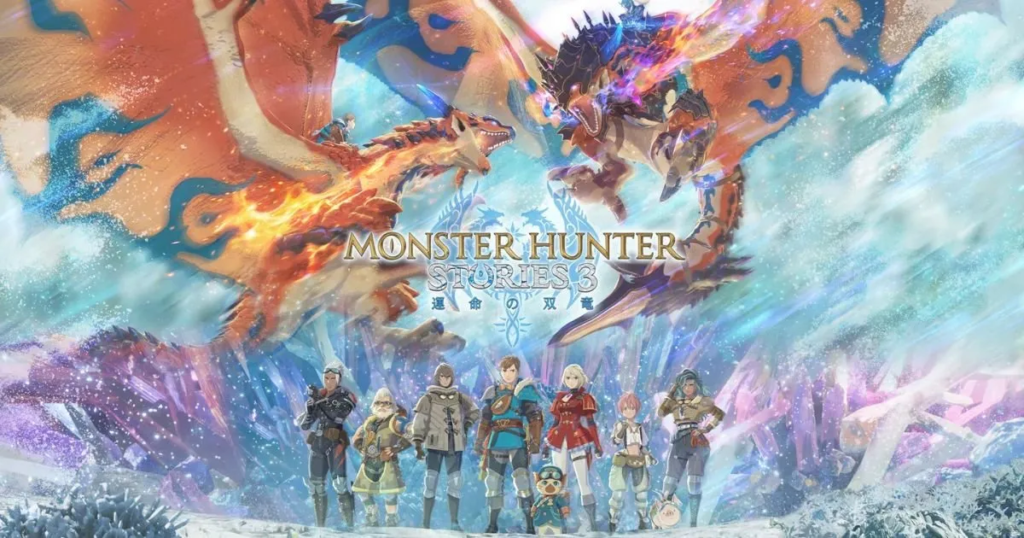
While the mainline Monster Hunter games focus on action-packed hunts, Monster Hunter Stories 3 takes a different approach.
This is a turn-based RPG with a lighter, more colorful tone. Think of it as a blend between Monster Hunter and creature-collection games.
You hatch monsters (called Monsties), train them, and use them in battle. The combat system is simplified, using a rock-paper-scissors mechanic, but it still offers strategic depth.
The game also introduces a more mature storyline compared to previous entries, dealing with environmental collapse and political conflict.
It’s a massive game, easily offering dozens of hours of content. And that’s part of the reason it’s easy to overlook—there’s just not enough time to commit to another long RPG in such a packed year.
But if you do invest the time, it’s incredibly rewarding.
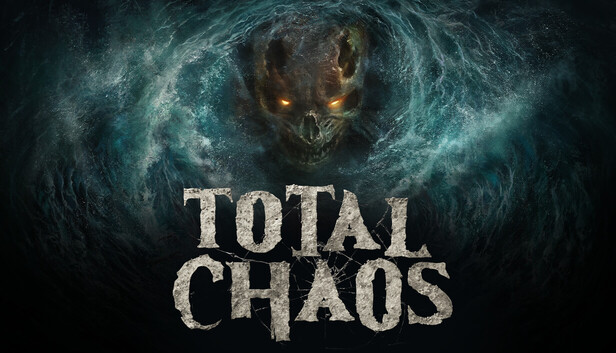
Total Chaos is exactly what its name suggests—pure, unrelenting chaos. Originally a mod, this game has evolved into a full-fledged survival horror experience packed with creativity. Every level introduces new mechanics, new enemies, and new ways to mess with the player.
One moment you’re hiding from an unkillable monster. The next, you’re dealing with creatures that only move when you’re not looking at them.
The inventory system adds another layer of tension. Instead of limiting what you can carry, it slows you down the more you hold. That means every item becomes a trade-off between preparedness and mobility.
It’s rough around the edges visually, but the gameplay more than makes up for it.
This is a game for players who want something different—something unpredictable.
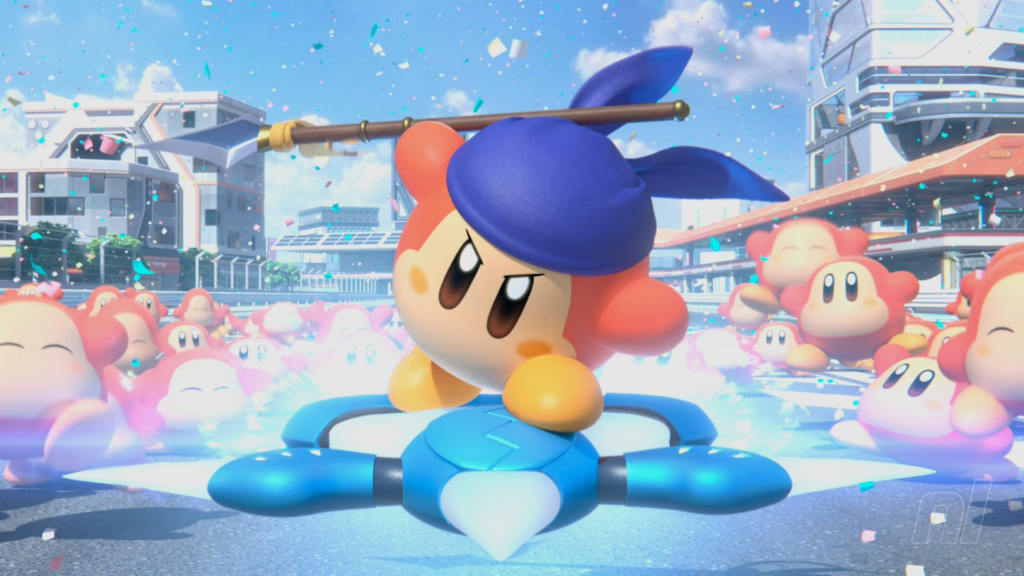
At first glance, Kirby Air Riders might seem too simple. The racing mechanics are stripped down to the basics—steering and boosting.
But that simplicity is deceptive.
The game shines in its variety of modes. City Trial returns, offering a sandbox-like experience where you explore, collect power-ups, and prepare for a final challenge. There’s also a roguelike-inspired mode with progression and boss fights.
It’s not just a racing game—it’s a hybrid experience.
While it may not have the complexity of other racing titles, it makes up for it with creativity and charm. It’s easy to pick up, but there’s still plenty to master.
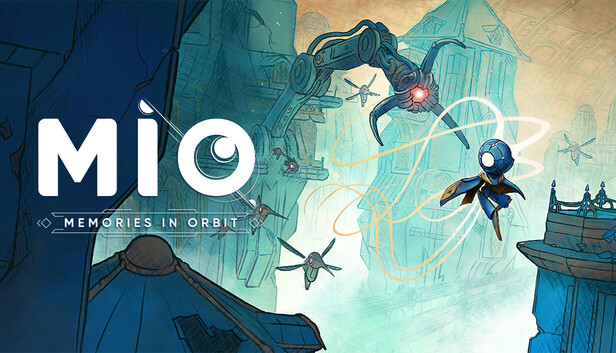
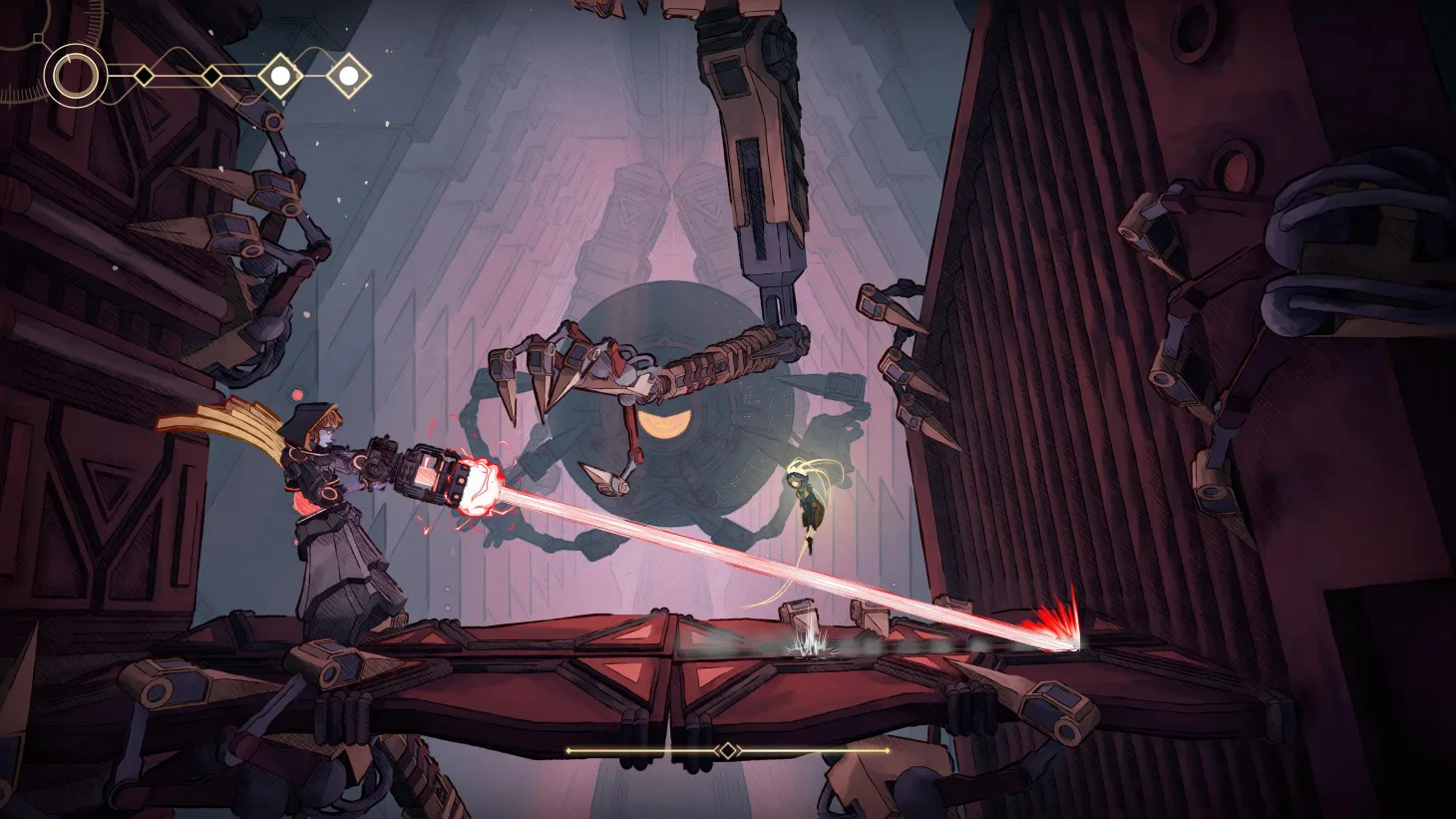
Topping the list is Mio: Memories in Orbit, a Metroidvania that pushes players to their limits. This game doesn’t hold your hand. It challenges you at every turn, with punishing difficulty and mechanics that can permanently reduce your health.
Yes, exploring the wrong area can make the game harder—permanently.
But beyond its brutality lies a beautifully crafted world. The environments are detailed, the platforming is tight, and the story unfolds in subtle, intriguing ways.
This is a game for hardcore players. If you enjoy difficult titles and the satisfaction of overcoming seemingly impossible challenges, this is one you shouldn’t miss.
2026 has been an incredible year for gaming, but it’s also been overwhelming. With so many releases competing for attention, it’s inevitable that some great games get overlooked.
The titles on this list are proof of that. They may not have dominated headlines, but they offer experiences that are just as memorable—sometimes even more so.
Whether it’s the strategic depth of Slay the Spire 2, the weird creativity of Mugenics, or the brutal challenge of Mio: Memories in Orbit, there’s something here for every type of player.
If you’ve been looking for something new to play, consider giving these games a chance. You might just discover your next favorite.
And honestly, in a year like this, finding hidden gems might be the best part of gaming.