Physical Address
304 North Cardinal St.
Dorchester Center, MA 02124
Physical Address
304 North Cardinal St.
Dorchester Center, MA 02124
Remedy Entertainment surprised many players when they first released Control back in 2019. The game blended supernatural storytelling, reality-bending environments, and intense telekinetic combat into one of the most unique shooters of the generation. Now, the studio is returning to that universe with something that isn’t exactly the sequel fans expected.
Instead of a straightforward continuation, Remedy is experimenting with a fresh direction in Control Resonant. After getting an early hands-off preview of the game, it’s clear that this project is shaping up to be something very different from the original. The core ideas of Control are still present, but the gameplay, setting, and structure appear to have evolved in bold ways.
From a distorted New York City to fast-paced melee combat and deep character customization, here’s everything we currently know about Control Resonant and why it might become one of the most exciting action RPGs releasing in 2026.
The original Control confined players almost entirely within the mysterious headquarters of the Federal Bureau of Control known as the Oldest House. It was a constantly shifting supernatural structure filled with secrets, strange entities, and reality-bending architecture.
Control Resonant expands the scale dramatically.
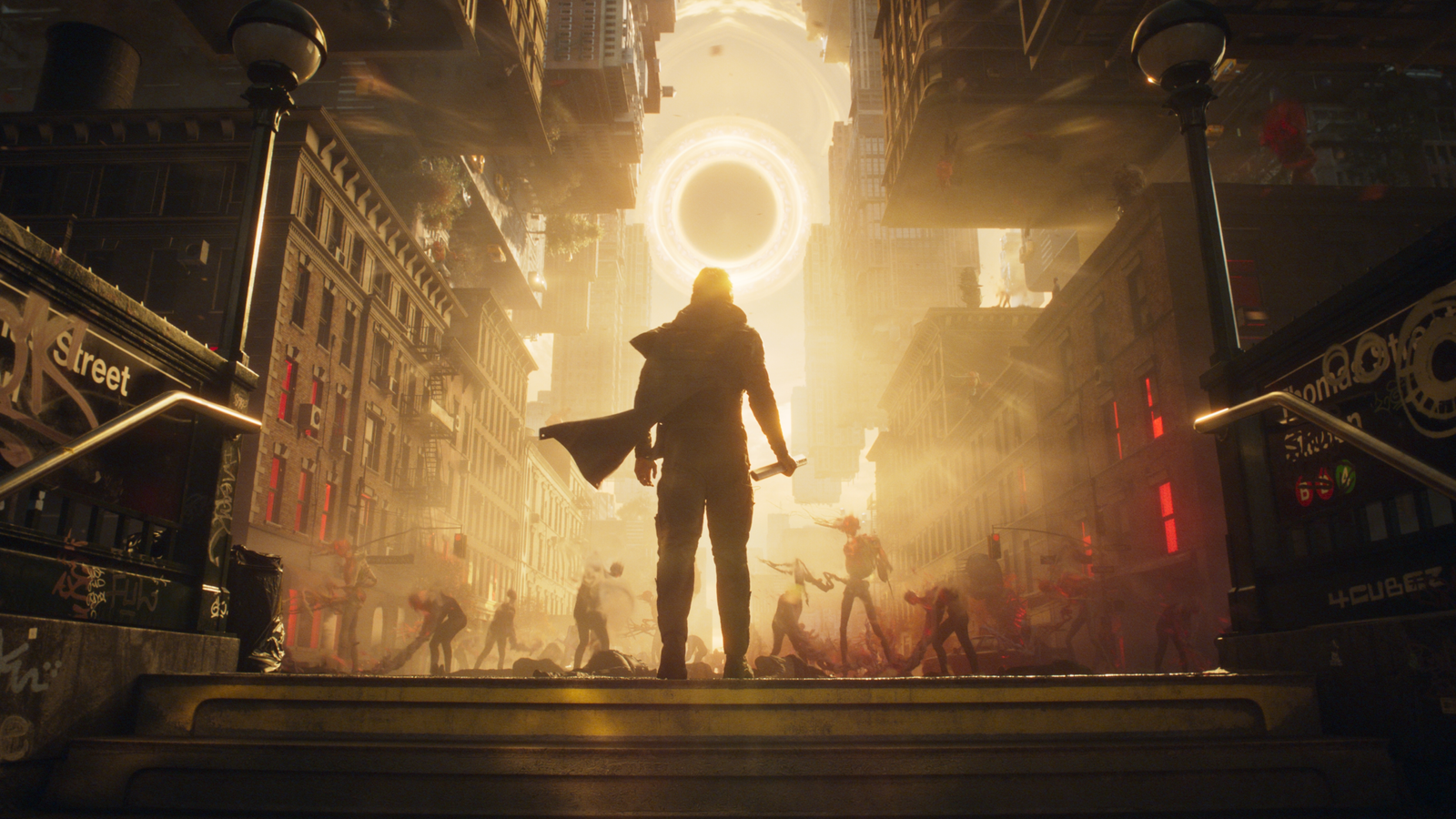
Instead of remaining trapped inside a single building, the new game takes place across a paranormal version of New York City, specifically Manhattan. The city itself appears to be folding in on itself in bizarre ways, creating twisted urban environments that feel both familiar and completely alien.
Buildings are warped together, streets bend at impossible angles, and gravity itself seems unreliable in certain areas. This surreal design allows the developers to create complex sandbox environments where exploration becomes just as important as combat.
Players will be able to scale walls, traverse vertical spaces, and discover hidden routes across the city. While the game isn’t being described as a fully open world, the environments appear to be large interconnected zones that can be revisited later, similar to games like Star Wars Jedi: Survivor.
This structure allows Remedy to maintain strong narrative pacing while still encouraging exploration.
One of the biggest surprises in Control Resonant is the shift in protagonist. Instead of playing as Jesse Faden again, the spotlight moves to Dylan Faden, Jesse’s brother. In the original game, Dylan was an important character connected to the Hiss invasion and the strange experiments conducted by the Federal Bureau of Control. His story left plenty of unanswered questions, making him an interesting choice for the lead role in this new entry.
Dylan’s personality and abilities appear to shape the entire gameplay direction of Control Resonant. Unlike Jesse, who relied heavily on telekinetic powers combined with gunplay, Dylan seems to focus much more on aggressive melee combat and mobility. This change alone makes the sequel feel fundamentally different from its predecessor.
While Jesse isn’t the main playable character this time, she hasn’t disappeared from the story. Remedy confirmed that she still plays an important role in the narrative and will appear throughout the game, though the details of her involvement remain a mystery.
In the first Control, Jesse wielded the Service Weapon, a supernatural firearm capable of shifting between multiple forms such as a pistol, shotgun, or sniper-like configuration. Dylan’s primary tool in Control Resonant is something quite different: a transforming melee weapon called the Aberant.
Instead of switching between different types of guns, the Aberant changes its shape depending on how players build their character. The preview showcased several forms, each offering distinct playstyles.
Some examples include:
The system appears similar to the Service Weapon in concept, but the focus has shifted completely toward melee combat rather than gunplay. This transformation mechanic is also tied to character progression, allowing players to develop different combat builds depending on their preferred style.
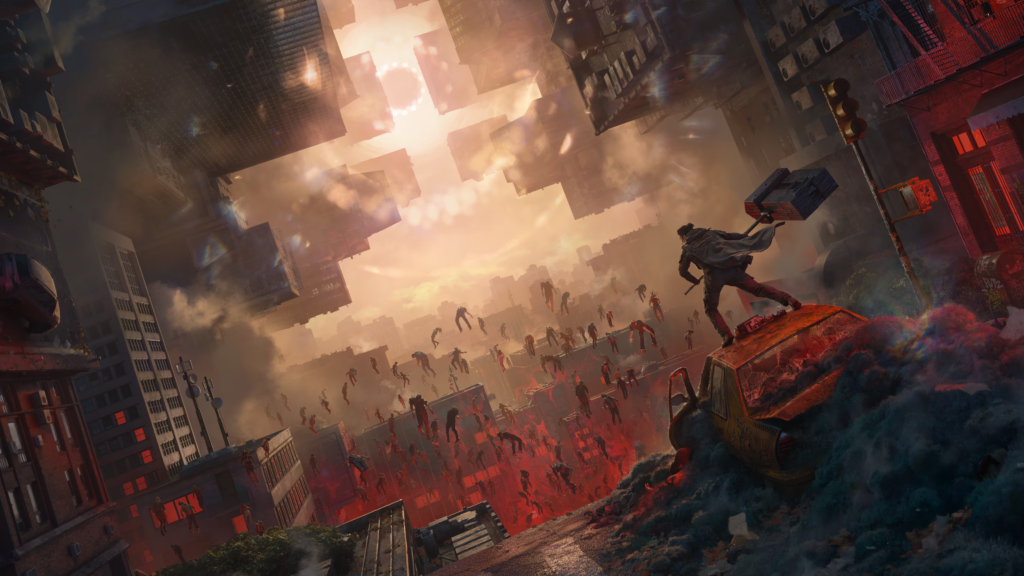
Perhaps the biggest gameplay change in Control Resonant is the overall combat philosophy. Remedy has described the game as an action RPG first, emphasizing speed, aggression, and stylish combos. During the preview, combat looked much closer to games like Devil May Cry or Ninja Gaiden than the shooter mechanics of the original Control.
Players are constantly moving during fights, dashing into enemies, launching aerial attacks, juggling targets, and finishing opponents with powerful combo enders. The gameplay loop appears to revolve around building momentum. Successfully executing finishers grants temporary buffs that make Dylan even stronger in the middle of combat.
For example, one buff increases damage immediately after performing a finisher, encouraging players to stay on the offensive rather than retreating. This aggressive design philosophy sets Control Resonant apart from many modern action RPGs.
Remedy has also clarified something that might surprise some players: this is not a Soulslike game. While boss battles may look challenging, the combat system focuses on flow and combos rather than slow, reactive gameplay. In fact, the developers confirmed that the game currently does not include a traditional parry mechanic, which has become common in many modern action games.
Instead, survival depends on movement, positioning, and smart use of abilities.
Another interesting feature introduced in Control Resonant is a mysterious space called The Gap. At any point during gameplay, players can press a button on the controller and instantly teleport to this strange dimension. The Gap acts as a hub where players can modify their build without leaving the game world.
In many ways, it feels similar to the Mind Place in Alan Wake 2, but instead of analyzing clues, this area focuses entirely on character progression and customization.
Inside the Gap, players can:
Remedy confirmed that players won’t be able to unlock absolutely everything in a single playthrough. However, the system still offers significant flexibility, allowing players to respec abilities and experiment with different strategies whenever they want.
While melee combat is the primary focus, Dylan still has access to supernatural abilities similar to Jesse’s powers in the original game.
Some abilities shown during the preview include:
These abilities combine with the weapon transformations to create diverse combat builds. Players might focus on fast melee combos, ranged attacks using the whip form, or even strategies that rely on summoned allies. The developers hinted that many additional abilities and builds remain unannounced.
Control Resonant isn’t trying to compete with massive open-world games. Instead, Remedy is focusing on large, carefully designed zones. Each area of the game represents a different section of the twisted Manhattan environment. These zones contain main story missions, side quests, secrets, and optional encounters.
Players will also encounter FBC forward operating bases scattered throughout the map. These bases act as safe locations where characters gather, quests begin, and story interactions take place. NPCs populate these hubs, including familiar faces from the Federal Bureau of Control. Dialogue plays a bigger role this time, but Remedy made it clear that the game won’t feature major branching choices. Instead, conversations mostly provide additional lore, character development, and context for the world.
While Jesse returns in some capacity, the preview also introduced a new character named Zoe. Zoe seems to act as Dylan’s primary companion throughout the story. She communicates with him during missions and helps guide the player through the world. Interestingly, Zoe apparently doesn’t fully understand Dylan’s past or the events that occurred during the first Control. This creates an opportunity for players to learn more about Dylan’s character as the story unfolds.
The dialogue system allows players to talk while exploring rather than being locked into traditional conversation screens, keeping the pacing fluid.
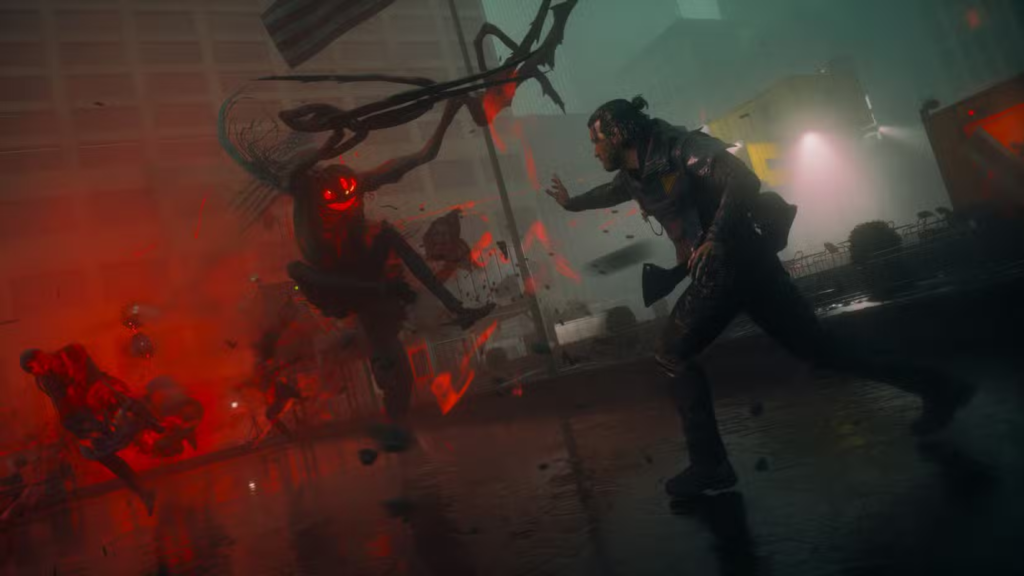
Control Resonant is bringing back some familiar threats from the original game. The Hiss, the supernatural force that invaded the Oldest House, still appears to exist in this world. However, the enemies seem far more mutated and grotesque than before. Players will encounter a wide variety of bizarre creatures across the city. One example shown in the preview was a giant flying whale-like monster that patrols the sky and fires red laser beams. To defeat it, Dylan must jump onto the creature’s back and attack weak points while dodging incoming attacks.
These kinds of encounters suggest that enemy design will be far more elaborate this time around. At the top of the enemy hierarchy are creatures known as Resonance. These appear to be powerful boss-level entities that dominate each zone.
Some of the bizarre bosses shown included:
Defeating these creatures rewards players with new abilities or powers, giving a strong incentive to hunt them down.
One of the most memorable aspects of the original Control was its strange side content. From haunted refrigerators to cursed objects, the game was filled with bizarre Altered Items that created unique encounters. Fortunately, Remedy confirmed that Altered Items will return in Control Resonant.
The developers are keeping details secret for now, but they hinted that these encounters could be even more creative than before. Some might even lead to optional boss fights. Beyond the main story, players will also discover independent world stories, hidden events, and secret locations scattered throughout Manhattan.
Remedy described their design philosophy as “all killer, no filler.” The goal is to make every activity feel meaningful instead of filling the map with repetitive busywork.
In addition to gameplay builds, Control Resonant offers extensive cosmetic customization for Dylan.
Players can visit FBC bases to modify his appearance with options such as:
The system is surprisingly detailed compared to the original game, which only allowed a few costume changes for Jesse. While these options are purely cosmetic, they give players more freedom to personalize their character.
Control Resonant runs on Remedy’s Northlight engine, which powered the previous Control as well as Alan Wake 2.
For the new game, the engine has been upgraded to support:
The developers are targeting 60 frames per second on all platforms, which is particularly important for a fast-paced action game like this. Enemies will also respawn in certain areas, similar to systems seen in games like Dark Souls or Jedi Survivor. However, Remedy hinted that this mechanic may tie into the story in ways they haven’t revealed yet.
At the moment, Control Resonant is scheduled to release sometime in 2026. A specific date hasn’t been announced yet, but the developers confirmed that the project is actively in development and progressing well.
One interesting factor is the looming release of Grand Theft Auto 6, which is expected to dominate the gaming landscape when it arrives. Because of that, many believe Control Resonant may aim for a launch earlier in the year or during late summer to avoid direct competition. Regardless of when it launches, the game already looks like one of the most creative projects on the horizon.
After seeing this early preview, one thing is clear: Control Resonant isn’t playing it safe. Remedy could have easily made a straightforward sequel with the same gameplay systems as the original. Instead, the studio is pushing the series in a completely new direction.
From aggressive melee combat to semi-open environments and a new protagonist, the game is evolving almost every major element of the franchise. Yet despite all these changes, the core identity of Control still seems intact. The surreal atmosphere, bizarre enemies, and mysterious world remain central to the experience.
If Remedy can successfully balance its ambitious ideas with satisfying combat mechanics, Control Resonant could become one of the standout action RPGs of 2026. For now, fans will have to wait for more gameplay and eventually get their hands on the controller themselves. But based on what we’ve seen so far, the future of the Control universe looks stranger and more exciting than ever.