Physical Address
304 North Cardinal St.
Dorchester Center, MA 02124
Physical Address
304 North Cardinal St.
Dorchester Center, MA 02124
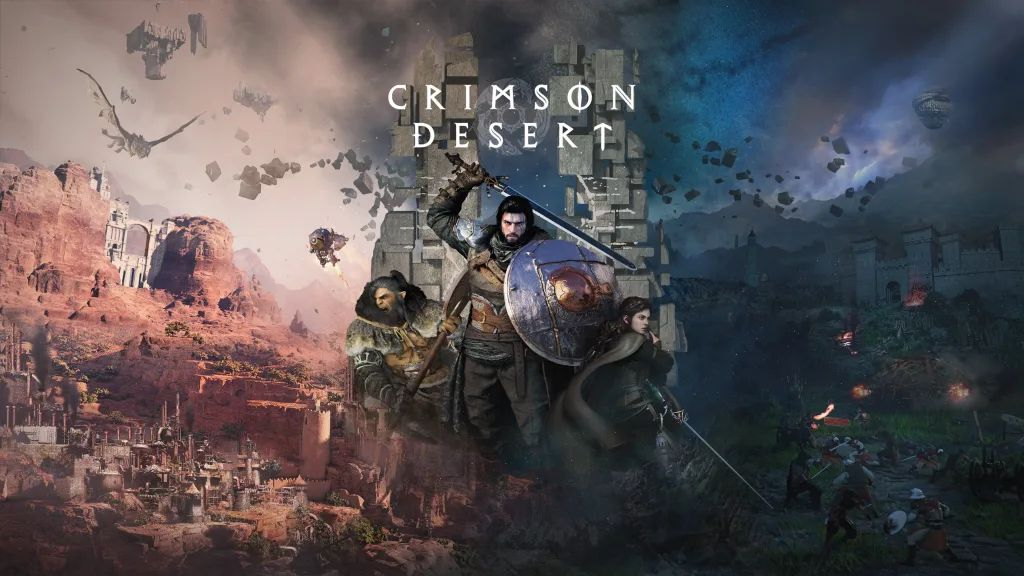
Every once in a while, a game comes along that feels almost impossible. The kind of project that promises everything—huge battles, deep combat systems, open-world exploration, base building, side activities, crazy bosses, flying mounts, and systems layered on top of systems. In 2026, we’ve all been burned enough times to be skeptical of that kind of ambition. Developers and publishers talk big all the time. Delivering is the hard part.
And yet… sometimes, against all odds, a game actually pulls it off.
That’s where Crimson Desert finds itself right now. With each new trailer and preview, it’s starting to look less like a pipe dream and more like a genuine contender for game of the year. Is it guaranteed to be great? Absolutely not. But is it possible? Increasingly, yes.
Let’s talk about why.
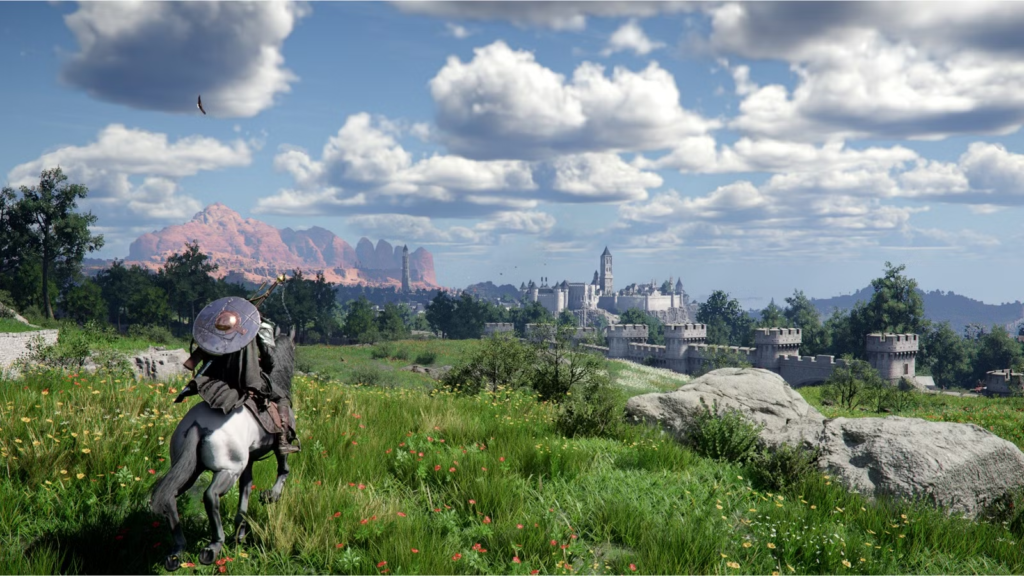
At first glance, Crimson Desert might look like just another open-world fantasy action title. Sharp visuals, gritty medieval vibes, cinematic combat—sure, we’ve seen that before.
But the deeper you dig, the more absurd the scope starts to feel.
This isn’t just a “go here, kill that” type of open-world game. It’s not even trying to be a traditional RPG like The Witcher 3: Wild Hunt or The Elder Scrolls V: Skyrim. In fact, the developers have been clear: Crimson Desert is an action game first. Yes, it has RPG elements—gear progression, upgrades, crafting—but it does not feature branching dialogue trees or multiple quest outcomes. Instead, what it offers is density.
From what’s been shown so far, Crimson Desert throws an overwhelming amount of systems at the player:
And that’s not even everything.
Every new preview seems to reveal something else—another feature casually mentioned as if it’s no big deal. A pilotable war machine. Floating ruins. Alternate dimensions. Massive bosses ranging from human-sized duels to encounters that look straight out of Shadow of the Colossus.
At some point, you start wondering: how is this even real?
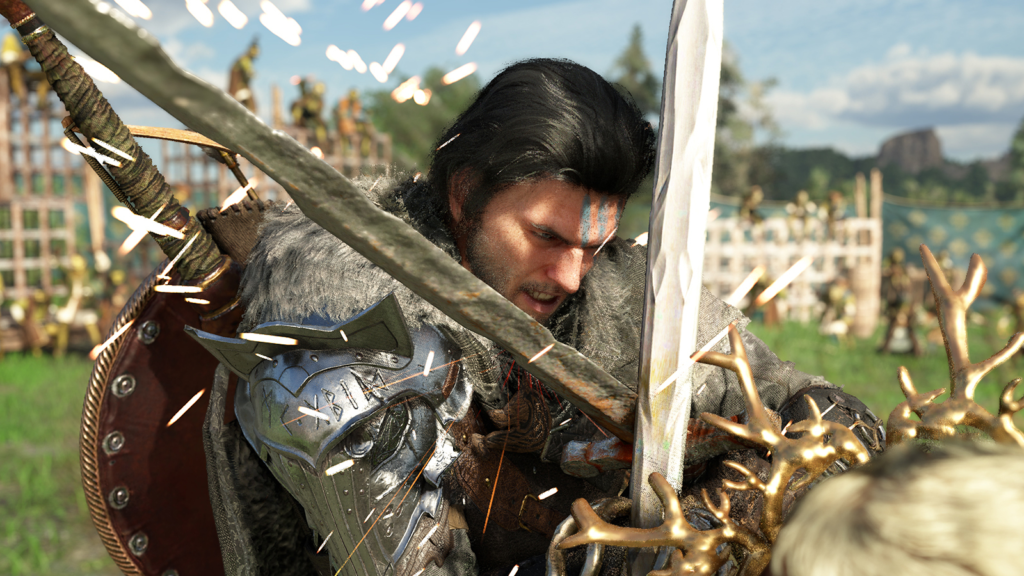
While the world looks packed with distractions, Crimson Desert’s core focus is clearly combat. This isn’t a narrative-heavy RPG—it’s an action showcase.
From previews and gameplay demos, the combat appears fluid, weighty, and technical. There’s emphasis on grapples, body slams, aerial maneuvers, magic-infused strikes, and creative enemy manipulation. Some sequences even show players launching themselves skyward before crashing down into enemies in explosive fashion.
The verticality stands out immediately. There’s a noticeable influence from The Legend of Zelda: Tears of the Kingdom in the sense of aerial traversal and environmental interaction—but Crimson Desert pushes it in a more aggressive, combat-driven direction.
However, not all hands-on previews have been universally glowing.
Some players who tried the demo suggested that:
One potential concern is that the grapple-heavy combat system—so impressive against standard human enemies—might not be viable against massive bosses. If that’s the case, players could find themselves defaulting to a more traditional “two hits, dodge, repeat” Souls-like rhythm during major encounters.
Still, these criticisms seem to be in the minority. Most previews have walked away impressed, especially with how much control and creativity the combat offers.
What separates Crimson Desert from many open-world titles is how reactive the world appears to be. There’s a law-and-order system in place. Attack villagers or get caught stealing, and guards will pursue you. You can be thrown in prison. Actions have consequences.
Side activities aren’t just filler either. Beyond crafting and gathering, you can:
That last one is particularly interesting. Much like systems seen in Assassin’s Creed IV: Black Flag or Metal Gear Solid V: The Phantom Pain, players can dispatch recruited soldiers to carry out missions or weaken enemy strongholds while they focus on other objectives. It’s yet another layer in an already stacked feature list.
The real question is: will these systems have depth? Or will they be surface-level distractions? Because we’ve seen this before—an ocean of content that’s only an inch deep.
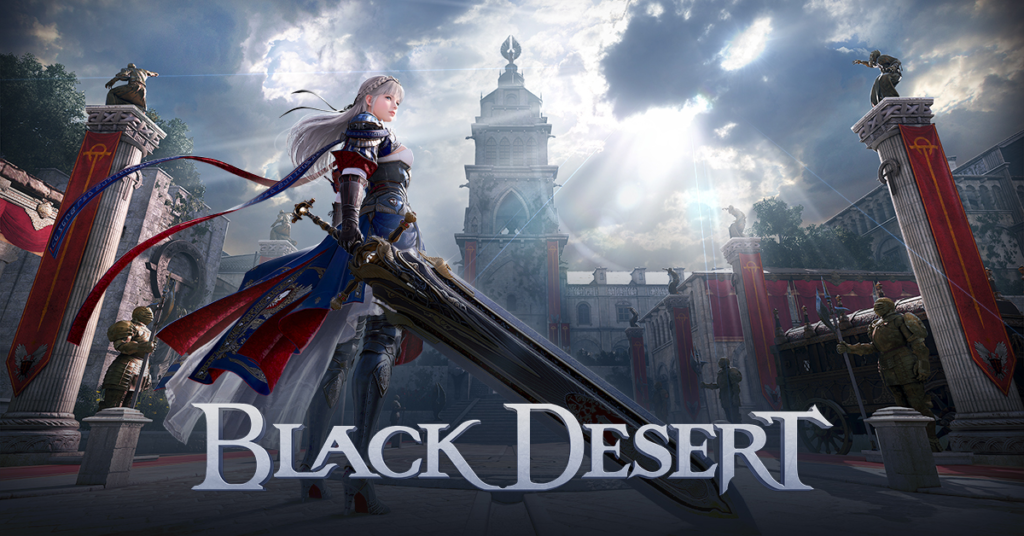
It’s important to remember that Crimson Desert isn’t coming from an inexperienced studio. It’s being developed by Pearl Abyss, the creators of Black Desert Online.
Now, Black Desert Online has its fair share of controversy—especially around monetization and live-service practices. But one thing it undeniably does well is combat. For an MMO, it features surprisingly fluid, responsive, and skill-driven action systems.
Crimson Desert appears to borrow heavily from that DNA—but in a fully offline, premium experience. The developers have stated that at launch, there will be no microtransactions. You buy the game, and that’s it. Of course, “at launch” leaves room for interpretation. Could post-launch monetization appear? Sure. It’s 2026. Anything is possible. But until that happens, it’s hard to criticize something that doesn’t exist.
For now, Crimson Desert is positioned as a complete $70 premium experience.
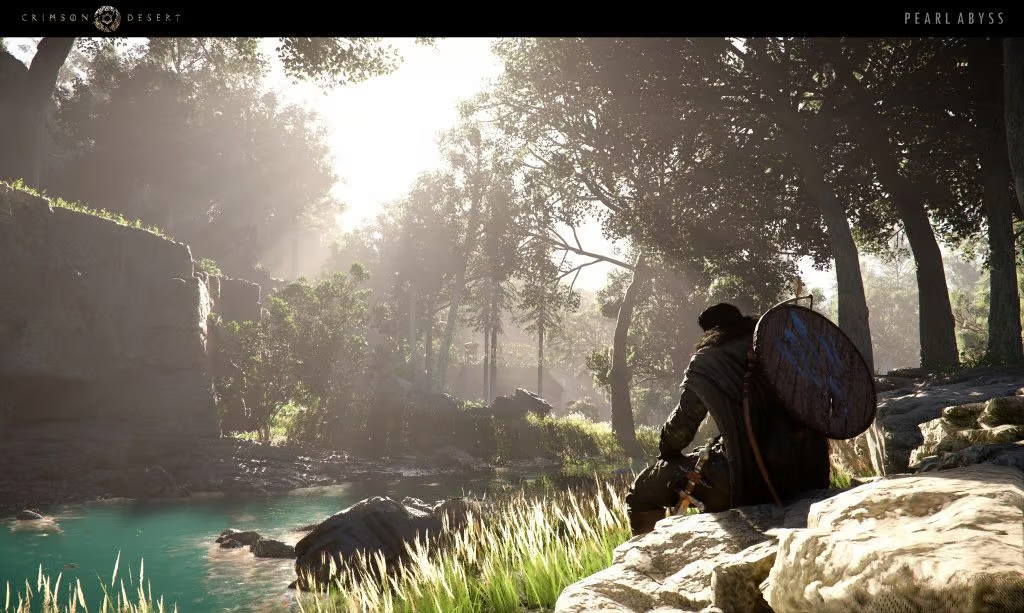
Visually, Crimson Desert looks spectacular. Detailed environments, large-scale battles, dynamic lighting, dense forests, crumbling castles—it’s impressive.
Which makes the surprisingly modest PC system requirements a bit of a mystery.
On one hand, that could mean the game is exceptionally well-optimized and scales properly across hardware. On the other, it raises eyebrows. Can something that looks this good really run smoothly on mid-tier systems?
Until launch, performance remains a giant question mark. We’ve seen visually stunning games stumble due to technical issues before.
And let’s be honest—if you’re packing this many systems into one game, the risk of technical instability increases.
While the main story focuses on Cliff, Crimson Desert also features two additional playable characters.
Cliff handles the primary narrative missions, but the other characters can be used in the open world and side quests. They reportedly have:
This adds replay value and variety, but again, it depends on execution. Are they fully fleshed out? Or are they supplementary additions?
Cliff himself might look somewhat generic at first glance, but his combat capabilities—especially aerial mechanics and mech usage—make him far from ordinary.
Yes, you read that correctly. There’s a customizable mech in this fantasy world. With machine guns and jetpacks.
Why not?
There’s a fine line between ambition and overreach.
Crimson Desert includes:
That’s a lot.
Even if everything functions properly, it may not all be equally deep. And maybe that’s okay. Not every system needs to be endlessly complex. Sometimes variety alone is enough to make a world feel rich.
At worst, Crimson Desert might be an extremely ambitious game that isn’t the greatest of all time.
That’s hardly a disaster.
With its March 19 launch on PlayStation 5, Xbox Series consoles, and Steam, Crimson Desert is arriving at a critical moment.
It has the potential to be one of 2026’s defining games—at least until heavyweights like Grand Theft Auto VI enter the conversation.
Unlike Rockstar, however, Pearl Abyss has been surprisingly transparent with gameplay demonstrations. They’re not just talking about features—they’re showing them.
And that matters.
Because right now, Crimson Desert doesn’t feel like an investor pitch. It feels like a real, playable game. A risky, ambitious, maybe-slightly-insane game—but a real one.
It’s okay to be hyped. It’s also okay to be skeptical.
Crimson Desert might live up to its promises. It might fall short in certain areas. It might surprise us in ways we’re not expecting. But even if you take the most cautious previews at face value, this doesn’t look like a disaster waiting to happen. It looks like a studio swinging for the fences. And sometimes, that’s enough.
If Crimson Desert delivers even 70% of what it’s showing, it could easily become one of the most memorable action games of the year. Now we just have to wait and see. Are you ready to jump into a mech, mount a dragon, storm a castle, and wrestle enemies in mid-air? Or are you keeping your expectations in check?
Let us know what you think. 2026 might be about to get very interesting.